Therapist in El Monte, CA | EMDR, Art & Somatic Therapy
I work with Gen Z and young millennial clients who are quietly exhausted from holding it all together. Many of them are the first in their family to go to therapy, let alone talk openly about anxiety or burnout, and that alone can feel like breaking a silent rule. My practice exists for people navigating career pressure, tricky relationships, and family patterns that were never really explained to them, just inherited. I bring a trauma informed, culturally grounded approach to every session, and I take your history seriously without treating you like something broken. Whatever brought you here, you don't have to explain it perfectly for it to matter.
Many of my clients spend weekends at the Whittier Narrows Recreation Area or grew up fishing and walking along the San Gabriel River, and a good number have wandered through the exhibits at the El Monte Historical Museum at some point growing up. Sitting right where the 10 and 60 freeways meet, this city has always been a place people pass through, live in, and build families in, often all at once. El Monte is a working class, largely immigrant community, and that shapes what young adults here carry: pride in where they come from, alongside real pressure to make good on their family's sacrifices. I see clients whose parents worked long hours to give them options, and who now feel guilty wanting something different for themselves.
Growing up in an immigrant household often means learning early that your feelings come second to keeping the family stable, and that habit doesn't just disappear once you're an adult with your own apartment and your own bills. A lot of my clients here are navigating language gaps with parents, generational expectations around respect and sacrifice, and the quiet loneliness of feeling caught between two worlds that don't always understand each other. Naming any of that as painful can feel like betrayal, especially when your parents worked so hard to get you here. I offer a space where you can hold gratitude for your family and still be honest about what hurt, without one canceling out the other. Clients tell me it's a relief to finally stop translating themselves for someone else's comfort.

How it works

My approach starts with your whole story

My approach isn't one size fits all, and it was never going to be. I lean on trauma informed care and EMDR as core tools, but I'm equally interested in the cultural and family systems that shaped how you learned to cope in the first place. A decolonial lens means I'm paying attention to power, history, and inherited expectations, not just symptoms in isolation. Curiosity drives most of what we do together, because I'd rather understand the full shape of your experience than rush toward a label. Depending on what fits, sessions might blend conversation, EMDR, somatic awareness, or creative tools.

Book a discovery call

Getting started here looks like an actual conversation, not a stiff round of paperwork and clinical questions. I want to know what's been going on, what you've already tried on your own, and what you're actually hoping changes. There's no performance required, just two people being honest about whether this feels like the right fit. From that first conversation, we shape a plan together, and you have a real say in what that looks like.

What ongoing work actually looks like

Over time, clients here build something sturdier than coping in the moment. They walk away with real tools for stress and conflict, a clearer sense of which expectations are actually theirs to carry, and a relationship with themselves that doesn't fall apart under pressure. Many arrive doubting therapy can do much beyond venting for an hour. That belief tends to shift here, often faster than they expect.

Explore my therapy services and specializations


Between rising costs, uncertain jobs, and family expectations that don't always match your own goals, being a young adult in this economy is genuinely hard. You might be managing anxiety that shows up as overthinking every decision, or a nagging sense that you're behind some invisible schedule everyone else seems to be following. In sessions, we slow that pace down. We look at what's actually driving the anxiety or the relationship patterns that keep repeating, and build tools that fit your actual life, not a generic script. You bring the specifics, and we figure out together what genuinely helps. Over time, most people notice they've stopped bracing for the next hard thing quite so hard. There's more room to breathe, and less energy spent managing everyone else's expectations of you.

Some experiences leave a mark that talking alone doesn't fully reach. If your body still reacts to certain situations the way it did years ago, tightening, flooding, shutting down, that's your nervous system still running old protective code. EMDR works with that directly. You don't need to walk me through every detail of what happened for it to work, which is a relief for a lot of people who've felt pressure to perform their pain just to be believed. It helps your brain finish processing what got stuck. We move at whatever pace actually works for you, always. Clients often describe feeling steadier afterward, like an old alarm finally stopped going off for no reason.

There are feelings that resist language entirely, especially the ones you've never had permission to name out loud. Art therapy doesn't ask you to find the right words first. Using image, color, or material gives those feelings a way out that doesn't depend on eloquence or even full understanding. Sometimes what shows up on paper says more clearly than any sentence could. You don't need artistic training or talent for any of this, and nothing gets critiqued. It's simply another route into honest work, useful especially on days when talking feels impossible.

You can understand a pattern completely in your head and still feel it grip your body anyway, the clenched jaw before a family gathering, the shallow breathing before a hard conversation with a parent. Somatic work builds your awareness of that physical experience in real time, so you can catch tension or bracing before it takes over. That awareness becomes something you can actually use, not just something you notice after the fact. This pairs naturally with EMDR and talk therapy, and it gives you real tools to carry between sessions, whether we're meeting in person or virtually.

PTSD doesn't always look the way people expect. Sometimes it's feeling on guard for no obvious reason, avoiding certain places or people without knowing exactly why, or getting blindsided by a memory you didn't invite. My work centers safety and pacing above all else. We move in a way that lets you process what happened without narrating every detail, and we never go faster than you're ready for. What tends to happen over time is a real, gradual shift. The past stops steering the present so much. It doesn't disappear, but it stops being in charge, and that shift is one of the most rewarding parts of this work.

Childhood trauma doesn't need a dramatic headline to be real. A lot of my clients grew up managing a parent's stress, translating for family members, or learning early that their own needs were an inconvenience. This work goes slowly, with safety as the actual foundation, not an afterthought. We move at your pace, and the goal is helping your nervous system finally release what it's been holding onto without overwhelming you. Over time, clients start to reclaim their own story instead of just surviving it. That includes what happened without letting it write the whole narrative, and that shift tends to feel like getting a part of yourself back.

For some teens, individual sessions only go so far, and being around peers who genuinely understand changes the whole experience. Group therapy gives teens a chance to feel less alone in whatever they're carrying, whether that's family stress, anxiety, or the pressure of trying to hold it together for everyone else. Groups are structured to feel safe rather than like a performance for adults watching. Many teens find it easier to accept support from peers their own age than from any adult, and that peer connection often becomes as valuable as anything said in the room.

I also work with teenagers who are already carrying more than adolescence should require, often kids who've been the responsible one at home for longer than makes sense for their age. Teens tend to open up once they feel like they're being taken seriously instead of managed or lectured. Sessions give them real language for what they're feeling before it hardens into a pattern that follows them into adulthood. This work meets teens exactly where they are, not where some age based chart says they should be, whether we meet in person or virtually.

Who I serve

My practice serves clients throughout El Monte and nearby communities including South El Monte, Rosemead, Baldwin Park, and Temple City, as well as the greater San Gabriel Valley. I offer in-person sessions in El Monte and virtual sessions for clients anywhere in California who prefer to meet from home. Take a look at the map below to see the surrounding service area.
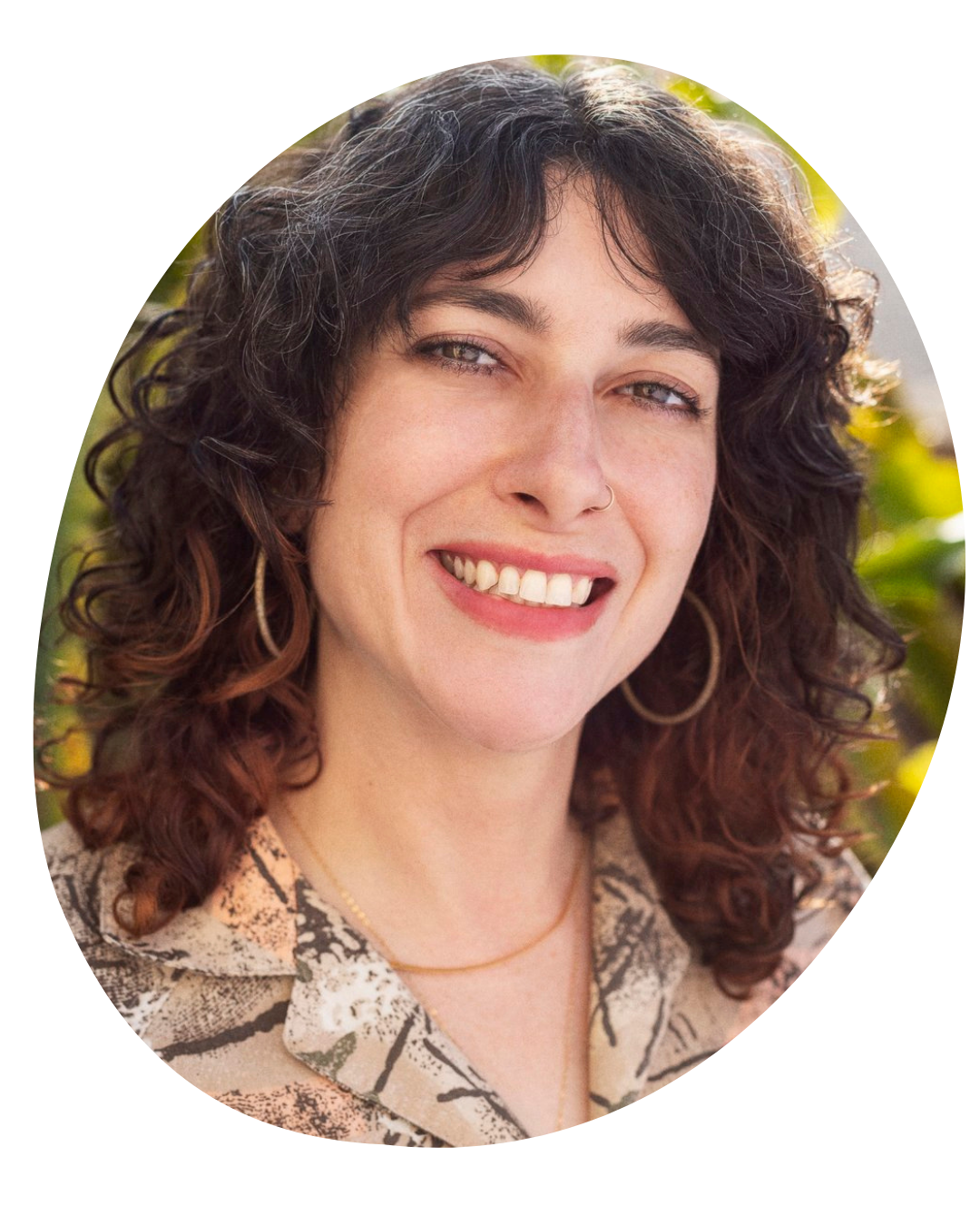
Smiling woman with curly dark hair in a light floral blouse, outdoors with greenery in the background

Hi, I'm Cristina Lugo — LCSW therapist specializing in young adults

I'm a licensed psychotherapist specializing in EMDR, working with Gen Z and young millennial clients across El Monte and the surrounding San Gabriel Valley. As a Puerto Rican American therapist, I understand what it's like to carry more than one culture at once, and to feel the pull between honoring your family and building a life that's actually yours. My work in El Monte is shaped by that same understanding, warm, direct, and genuinely rooted in where my clients come from. This isn't a space where I decide what's wrong with you and hand you a fix. It's a space where you get to remember who you were before everyone else's expectations got so loud.

FAQ about my services

  • What is the best type of therapy for young adults and teenagers?

    There isn’t a one-size-fits-all answer. The most effective therapy depends on your stage of life, identity, and needs. EMDR, mindfulness, ACT, and creative approaches can all be helpful when tailored to you.


  • Do you offer therapy in person? What about virtual? Which one is better?

    I prefer in-person therapy because it creates a stronger sense of connection at my Pasadena office. Virtual sessions are also available for convenience, and some clients even choose a mix of both.


  • Do you take insurance?

    I am considered out-of-network. Many PPO plans reimburse part of the cost, and I provide monthly superbills so you can request reimbursement directly from your insurance company.


  • What is your cancellation policy?

    I ask for at least 24 hours’ notice if you need to cancel. If we can’t reschedule in the same week, the full session fee will apply.


  • Do you offer a sliding scale?

    I believe that therapy should be within reach, regardless of what life throws your way. I offer a community-minded sliding scale for individuals affected by systemic stressors, financial strain, or unexpected crises. If this applies to you, please let me know. Together we’ll make a plan that supports your healing while honoring the sustainability of my practice.