Therapist in Los Angeles, CA | EMDR, Art & Somatic Therapy
I'm Cristina Lugo, and I work with Gen Z and young millennial clients who are trying to build real, grounded lives inside a city that constantly asks them to perform. Career pressure here comes wrapped in a specific kind of intensity, whether you're chasing something creative or just trying to keep up with an industry that never really stops moving. My clients are often managing relationships, identity, and family expectations while feeling like there's no room to slow down and actually process any of it. I built my practice for people who want a space that isn't transactional, somewhere warmth and real depth both matter. You deserve therapy that keeps up with the complexity of your actual life, not a simplified version of it.
Between the density of Downtown, the layered communities of Koreatown, the creative energy around Silver Lake, and the walkable charm of Echo Park, this city holds an enormous range of experience inside its borders. Most of my clients spend real chunks of their week in transit, commuting long distances between neighborhoods that can feel like entirely different worlds depending on the day. That sprawl, combined with an entertainment industry that shapes so much of the local culture, creates a specific kind of exhaustion that's hard to explain to anyone who hasn't lived it. Los Angeles is less a single place than a collection of overlapping worlds, and most people here are fluent in moving between all of them.
Living in a city built around image and ambition means a lot of my clients feel pressure to look like they're thriving even when they're barely keeping their head above water. The entertainment industry's presence here adds a specific flavor to that pressure, a sense that everyone is auditioning for something, even in ordinary conversations. Add in the sheer size and anonymity of this place, and it's easy to feel completely unseen despite being surrounded by millions of people. Clients choose to work with me because I don't ask you to keep performing in session the way this city so often demands elsewhere. Here, you get to actually stop and be honest about what's real.

How it works

My approach starts with your whole story

My approach is grounded in trauma informed care, EMDR, and a decolonial lens that takes your cultural background and family history seriously as part of the full picture. I stay genuinely curious about your specific story rather than applying a one size fits all method to every client who walks in. Depending on what you need, sessions might weave together talk therapy, EMDR, and somatic work.

Book a discovery call

Starting therapy with me looks like an honest conversation, not a formal process with a checklist. I want to understand what's actually going on for you, what hasn't worked in the past, and what you're hoping changes. It feels more like two people talking than anything clinical. From there, we build a plan shaped specifically around your life and your goals.

What ongoing work actually looks like

My clients tend to leave sessions with tools that actually hold up in real moments, not just insight that fades once they're back in traffic. They get sharper at separating what's genuinely theirs from what the industry or their family handed them, and they build a steadier sense of self underneath all the noise. Many have tried therapy before in a city full of therapists and still felt unseen. That tends to change here, because the plan is built entirely around you.

Explore my therapy services and specializations


Trying to build a real life in a city this large and this fast moving comes with a specific kind of tiredness, one that's hard to explain to people who haven't lived here. You might be managing career pressure, a relationship that doesn't match anyone else's timeline, or a quiet, constant sense that you should be further along than you are. In our sessions, we slow everything down enough to actually look at what's happening underneath the noise. We name the patterns that keep repeating in your relationships or your work, and we build something steadier instead of constantly reacting to the next demand. What we use flexes around what genuinely works for you, since this city already asks you to be flexible enough as it is. Most clients eventually notice they've stopped performing quite so hard, even in the moments that used to feel like an audition. That release often shows up first as an actual, physical exhale.

Some experiences don't loosen just because you've talked about them enough times to have a polished version of the story. If certain situations still send your body straight back to an old moment, that's your nervous system still guarding against something it hasn't clocked as finished. EMDR works with that material directly, without requiring you to perform every detail of what happened for it to count. That's a relief for people in a city that already asks them to perform constantly. Instead, we help your brain finish processing what got stuck partway through. This work always moves at your pace, never rushed toward some tidy resolution. Many clients describe the shift afterward as an old memory finally losing its charge, still present, but no longer running things quietly in the background.

Some feelings show up long before you have a clean, articulate way to describe them, and in a city that rewards being well spoken, that gap can feel especially uncomfortable. Art therapy offers an entry point that doesn't require you to have the right words ready. Working through image, material, or color lets what's underneath surface naturally, ahead of the part of your brain that wants to package everything into a tidy narrative. That takes real pressure off needing to have it all figured out before it's allowed to be felt. No artistic skill is required here, and nothing you make gets evaluated the way so much else in this city does. It's simply another door into the same honest work, useful especially when talking feels like too much effort.

You can understand a pattern completely and still carry it as tension in your shoulders or a knot behind your ribs. Somatic therapy addresses that physical layer directly, instead of only circling it with conversation. We build your ability to notice what's happening in your body as it's happening, catching the bracing or shutting down before it fully takes hold. Over time, that awareness creates more room to actually choose your response instead of reacting on autopilot. This approach pairs naturally with EMDR and talk therapy, giving you something concrete to use between sessions, whether you're commuting across town or joining from home.

PTSD often looks different from what shows up in movies. It might be a short temper that seems to come from nowhere, avoiding certain places or people without fully understanding why, or memories surfacing at moments you didn't choose. None of that means something is wrong with you, it means your nervous system is still protecting you from something it hasn't registered as over. My work leads with safety and pacing first, always. We move in a way that lets you process what happened without needing to narrate every detail, which is often a genuine relief. Nothing moves faster than what feels manageable to you. Over time, clients experience a real, gradual shift where the past loses its grip on the present moment. It doesn't disappear, but it stops running the show. Getting to watch someone realize that's actually possible is some of the most meaningful work I do.

Childhood harm doesn't have to be extreme to leave a real mark. Plenty of the accomplished, high functioning people I work with in this city grew up managing an unpredictable parent, keeping the peace in a tense household, or carrying a role that was never actually theirs to hold. I move through this history slowly and carefully, because safety comes before anything else. We proceed at whatever pace protects your nervous system, never rushing toward a finish line that isn't real. Over time, I watch clients begin to hold their own story with more ownership, including what happened without letting it define everything that came after. Being trusted with that shift is one of the most meaningful parts of my work.

For some teens, individual sessions only go so far, and sitting with peers facing something similar changes the entire experience. Group therapy helps teens feel less alone in what they're carrying, whether that's anxiety, family pressure, or the specific weight of growing up around an industry obsessed with image. Groups are built to feel genuinely safe, not like another stage to perform on. Teens often accept support more easily from people their own age than from adults telling them how to feel. Here, struggling doesn't make a teen the odd one out, it's simply part of being human. Support looks like connection instead of correction, and that shift changes how many teens see themselves.

Many of the patterns I help adults work through took shape much earlier, which is part of why I also work with teenagers already carrying more than their age should require, even in a city known for constant achievement. That might look like anxiety, tension at home, or the quiet job of managing a parent's mood before their own. Teens tend to open up when they feel genuinely respected instead of managed like a problem to fix. Sessions give them language for what they're experiencing before it hardens into a lifelong pattern, and parents often notice their teen starting to name a feeling instead of just reacting to it. This work meets teens exactly where they are right now, whether they're navigating school pressure, family expectations, or both, and whether we meet in person or virtually.

Who I serve

My practice serves clients across Los Angeles, including Downtown, Koreatown, Silver Lake, and Echo Park, along with the wider surrounding areas of the city. I offer virtual sessions for anyone in California, which tends to work well given how much time Los Angeles clients already spend commuting between neighborhoods. In-person availability exists as well for clients who prefer meeting face to face. You can see the general service area on the map below.
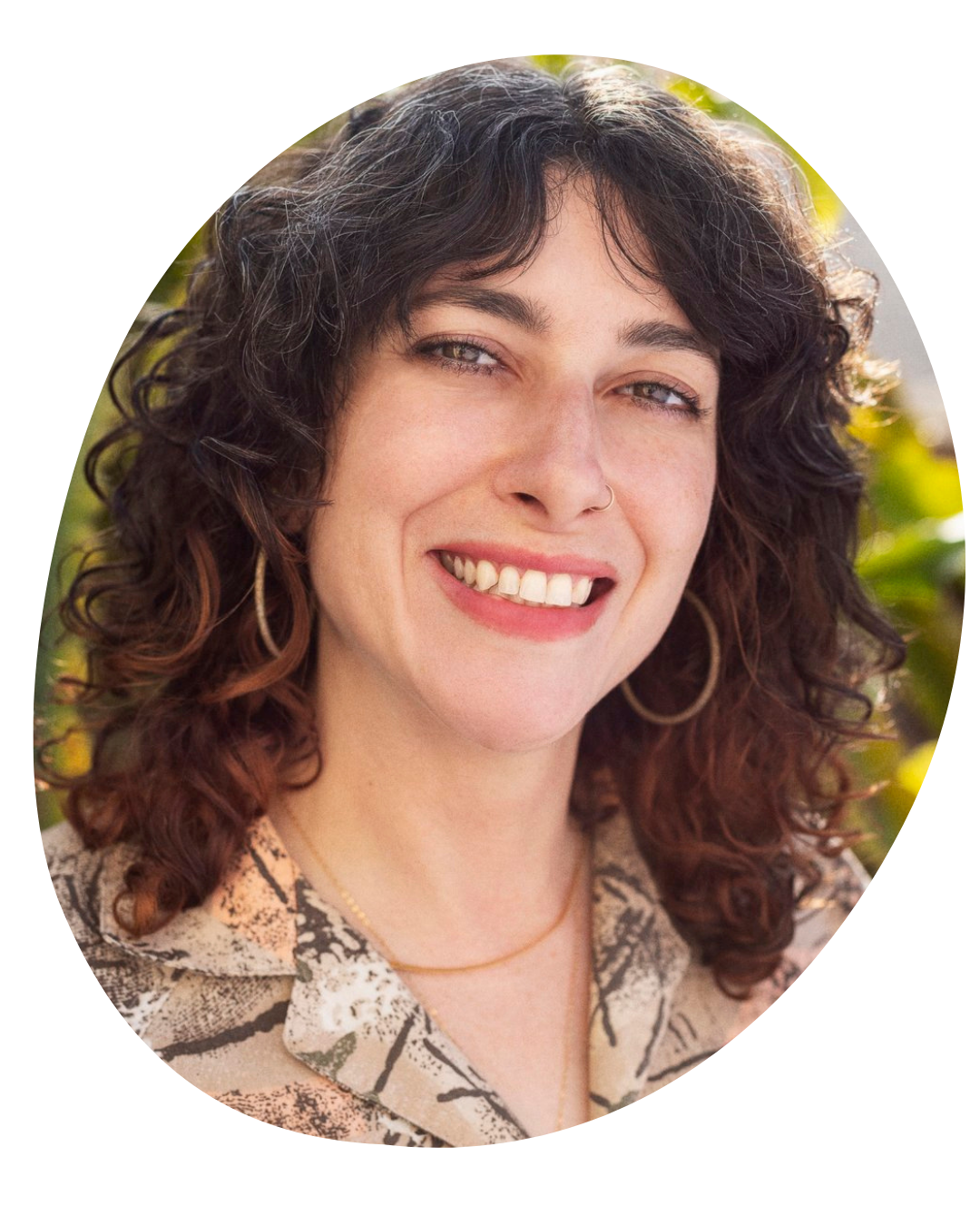
Smiling woman with curly dark hair in a light floral blouse, outdoors with greenery in the background

Hi, I'm Cristina Lugo — LCSW therapist specializing in young adults

I'm a licensed psychotherapist specializing in EMDR, working with Gen Z and young millennial clients across Los Angeles and its many neighborhoods. As a Puerto Rican American therapist, I bring a culturally responsive, decolonial lens into every session, understanding what it's like to hold multiple identities in a city that rarely slows down long enough to ask how you're really doing. Given how spread out this city is, most of my sessions happen virtually, meeting clients wherever they are without adding another long drive to their week. This work isn't about fixing some flawed version of you. It's about helping you remember who you are underneath everything this city asks you to perform.

FAQ about my services

  • What is the best type of therapy for young adults and teenagers?

    There isn’t a one-size-fits-all answer. The most effective therapy depends on your stage of life, identity, and needs. EMDR, mindfulness, ACT, and creative approaches can all be helpful when tailored to you.


  • Do you offer therapy in person? What about virtual? Which one is better?

    I prefer in-person therapy because it creates a stronger sense of connection at my Pasadena office. Virtual sessions are also available for convenience, and some clients even choose a mix of both.


  • Do you take insurance?

    I am considered out-of-network. Many PPO plans reimburse part of the cost, and I provide monthly superbills so you can request reimbursement directly from your insurance company.


  • What is your cancellation policy?

    I ask for at least 24 hours’ notice if you need to cancel. If we can’t reschedule in the same week, the full session fee will apply.


  • Do you offer a sliding scale?

    I believe that therapy should be within reach, regardless of what life throws your way. I offer a community-minded sliding scale for individuals affected by systemic stressors, financial strain, or unexpected crises. If this applies to you, please let me know. Together we’ll make a plan that supports your healing while honoring the sustainability of my practice.