Therapist in Monrovia, CA | EMDR, Art & Somatic Therapy
I work with Gen Z and young millennial clients who are somewhere between figuring out who they are and feeling pressure to have already figured it out. Career stress, dating and friendship struggles, and the quiet weight of family expectations tend to show up together, even when a client walks in only naming one of them. My approach blends EMDR, somatic awareness, and creative tools with straightforward talk therapy, because healing rarely follows just one path. I care about building real trust before we go anywhere deep, and I bring a culturally attuned, decolonial perspective to how I understand a person's story. My clients are usually high functioning on the outside and quietly exhausted underneath, and that gap is exactly where we start.
Old Town Monrovia's stretch of shops and restaurants along Myrtle Avenue gives this community a walkable, small town feel that a lot of my clients say they didn't expect to find so close to Los Angeles. Some of the people I work with hike the trails at Monrovia Canyon Park to clear their heads between sessions, while others commute out using the Gold Line light rail station and come home each night to a foothill community tucked right against the San Gabriel Mountains. That mix of quiet mountain backdrop and easy access to the city creates an interesting tension for young adults who feel caught between wanting stillness and needing momentum. Monrovia holds both of those things at once, which is part of why it fits so many of the people I see.
A lot of the young adults I see here grew up in tight knit, multigenerational households where love and control got tangled together, and untangling that takes real care. There's also a specific kind of pressure that comes from growing up in a smaller, close community, where everyone seems to know your business and your family's history follows you around. Clients tell me they're tired of performing okayness for relatives who equate struggling with failure, especially when their own values around identity and independence don't match what they were raised with. People choose to work with me because I understand that cultural loyalty and personal growth aren't opposites, even when it feels that way at home. That understanding tends to be the thing that finally makes therapy feel useful instead of like one more place to explain yourself.

How it works

My approach starts with your whole story

My work rests on three things: safety first, curiosity always, and respect for the fact that your history didn't happen in a vacuum. I lean on EMDR because so much of what people carry lives below the reach of ordinary conversation, and I pair it with a decolonial lens that considers the cultural and generational forces shaping your story, not just the events themselves. Nothing here is one size fits all. Depending on what a session calls for, we might use talk therapy, EMDR, somatic check ins, or art based approaches, always following what actually helps rather than a fixed script.

Book a discovery call

The first step is simple: we talk. I want to understand what's weighing on you, what you've already tried, and what you actually want out of this, without any of that feeling like a formal evaluation. There's no checklist energy to it, just an honest exchange between two people deciding if we're a good match. Once we've talked it through, we shape a plan together, one that reflects your goals rather than a generic template.

What ongoing work actually looks like

Over time, the shift isn't just about feeling calmer in the moment, it's about having tools you can actually reach for when life gets hard. Clients leave sessions with a clearer sense of their own patterns, more language for what they're feeling, and a steadier relationship with themselves that doesn't collapse the second things get difficult. Many of the people I work with have tried therapy elsewhere and left feeling like nothing really changed. This is where that starts to be different.

Explore my therapy services and specializations


If you're in your twenties or early thirties, you might feel like you're supposed to have some kind of map by now, and the fact that you don't is starting to feel like a personal failure. Career pressure, situationships that go nowhere, and the ongoing project of becoming someone separate from your family can pile up fast, especially when you've been the one everyone else leans on. In sessions, we slow the pace down enough to actually look at what's happening instead of just managing the fallout. You start naming the patterns that keep repeating, whether that's people pleasing, avoidance, or overworking to prove something to people who might not even notice. We build something that fits how you actually function, not a version of healing borrowed from someone else's life. What tends to happen next is quieter than people expect. You stop bracing so hard for the next thing to go wrong, and there's more room to just be a person instead of a project you're managing. Most clients describe it as finally being able to exhale.

Some experiences stay stuck in the body long after the moment has passed, showing up as a racing heart in situations that shouldn't warrant one, or a flinch response you can't quite explain. That's not overreacting. That's your nervous system still bracing for something it once had good reason to expect. EMDR works with that stuck material directly, and you won't need to describe every detail out loud for it to help, which is a relief for people who've spent years avoiding the memory altogether. The process helps your brain finish something it got interrupted while doing, so the past stops firing like it's still happening. We move at whatever pace actually works for you, not a predetermined timeline. Clients often notice fewer flashes of old reactivity and more space to just respond to what's actually in front of them, which is a change that tends to surprise people the most.

There are things that are almost impossible to explain out loud, not because you lack insight, but because some experiences just don't live in words. Art therapy gives you another way in, one that doesn't require you to have already made sense of what you're feeling. Working with color, image, or material lets things surface sideways, which often gets you closer to the truth of something than trying to explain it head on ever could. It also takes the pressure off needing to perform clarity before you're allowed to feel messy. You don't need any background in art for this, and there's no right way to do it. It's simply one more path toward the same honest work, useful especially on the days when talking feels like too much.

You can understand exactly why you're anxious and still feel your shoulders creep up toward your ears every time your phone buzzes. Insight alone doesn't always reach the body, and somatic work exists for the parts of you that logic can't quite convince. We build a working awareness of what's happening physically as it happens, so you start catching tension or bracing before it fully takes over. That awareness becomes something you can use in real time, not just something you understand intellectually after the fact. This approach pairs naturally with EMDR and regular talk therapy, whether we're meeting in person in Monrovia or connecting virtually. Over time, you get a body that feels more like an ally and less like something working against you.

PTSD doesn't always look like what people expect. Sometimes it's staying unusually alert in ordinary situations, or noticing your body react to something before your mind has caught up to why. My approach centers safety and pacing above all else. We work through what happened in a way that doesn't require you to relive it in full detail, and every step follows your comfort rather than mine. The change that happens is gradual but genuine. The past becomes something you carry differently instead of something running the show, and clients often tell me they didn't think that kind of shift was available to them.

Childhood trauma doesn't need a dramatic headline to count. It can look like growing up with a parent who made feelings inconvenient, or learning early on that your job was to keep everyone else comfortable. This work starts with safety, full stop. We build a foundation before we touch anything difficult, and the pace is always yours to set, never rushed for the sake of progress. Over time, clients start relating to their own history differently, owning what happened instead of being defined by it. Watching someone reclaim their story that way is some of the most meaningful work I get to be part of.

For some teens, one on one sessions only go so far, and being around peers facing something similar changes the entire experience. Group work gives teens a chance to feel less isolated in whatever they're carrying, whether that's anxiety, family stress, or the weight of expectations at home. These groups are built to feel safe rather than like a performance, giving teens space to be honest without a room full of adults deciding how they should feel about it. Many teens find it easier to take in support from people their own age. Being the one who's struggling doesn't make you the outsider here. Support looks like connection, not correction, and that distinction matters more than people expect.

I also work with teenagers who are already managing more than adolescence should ask of anyone, whether that's family conflict, anxiety, or the exhausting job of reading everyone else's mood before their own. Teens tend to open up when they feel respected rather than handled, and sessions give them real language for what they're going through before it calcifies into a lifelong pattern. Parents often notice their teen starting to name a feeling instead of just acting it out. This work meets teenagers exactly where they are, not where some developmental chart says they should be, whether we're working together in person or virtually.

Who I serve

My practice serves clients in Monrovia and the surrounding foothill communities, including Arcadia, Duarte, Sierra Madre, and Bradbury, as well as nearby areas along the Gold Line corridor. I offer in-person sessions in Monrovia and virtual sessions for clients anywhere in California who prefer meeting from home. Whether you're near Old Town or up closer to Monrovia Canyon Park, getting here is simple. An embedded map below shows the surrounding service area.
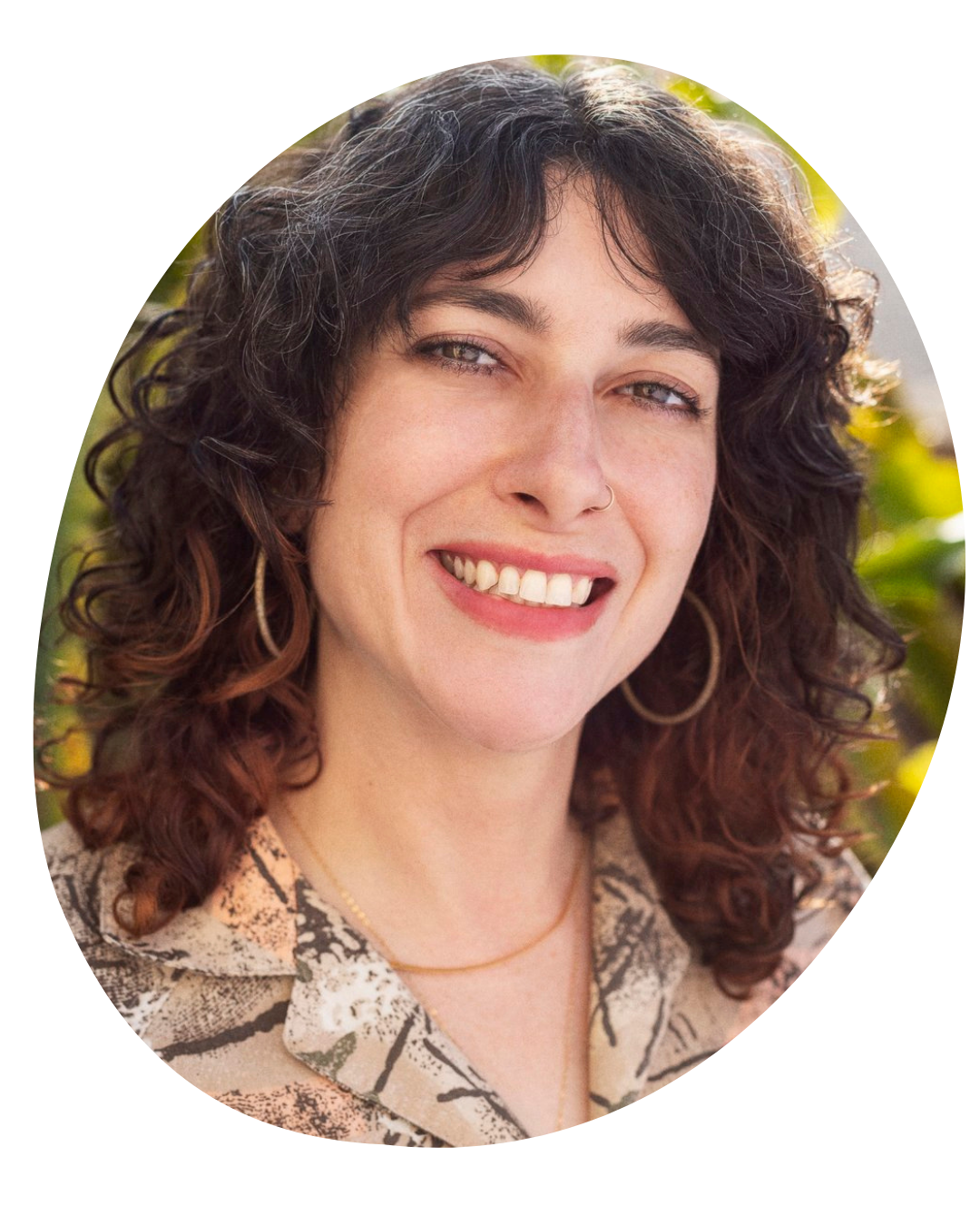
Smiling woman with curly dark hair in a light floral blouse, outdoors with greenery in the background

Hi, I'm Cristina Lugo — LCSW therapist specializing in young adults

I'm a licensed psychotherapist specializing in EMDR, and I work with Gen Z and young millennial clients throughout Monrovia and the broader San Gabriel Valley. As a Puerto Rican American therapist, I bring a decolonial, culturally grounded lens to every session, because I know firsthand what it's like to hold more than one identity at once. My practice is built to feel warm and unpretentious, the kind of space I wish had existed when I needed it most. I'm not here to fix you. I'm here to help you find your way back to yourself, underneath everything you learned to become.

FAQ about my services

  • What is the best type of therapy for young adults and teenagers?

    There isn’t a one-size-fits-all answer. The most effective therapy depends on your stage of life, identity, and needs. EMDR, mindfulness, ACT, and creative approaches can all be helpful when tailored to you.


  • Do you offer therapy in person? What about virtual? Which one is better?

    I prefer in-person therapy because it creates a stronger sense of connection at my Pasadena office. Virtual sessions are also available for convenience, and some clients even choose a mix of both.


  • Do you take insurance?

    I am considered out-of-network. Many PPO plans reimburse part of the cost, and I provide monthly superbills so you can request reimbursement directly from your insurance company.


  • What is your cancellation policy?

    I ask for at least 24 hours’ notice if you need to cancel. If we can’t reschedule in the same week, the full session fee will apply.


  • Do you offer a sliding scale?

    I believe that therapy should be within reach, regardless of what life throws your way. I offer a community-minded sliding scale for individuals affected by systemic stressors, financial strain, or unexpected crises. If this applies to you, please let me know. Together we’ll make a plan that supports your healing while honoring the sustainability of my practice.