Therapist in Riverside, CA | EMDR, Art & Somatic Therapy
The people I work with most often are twenty somethings and early thirty somethings who are quietly exhausted from carrying more than anyone around them realizes. A lot of my clients are dealing with career uncertainty, evolving relationships, and family patterns that were never openly discussed but shaped everything anyway. I ground my work in trauma informed practice, drawing on EMDR, somatic tools, and art therapy for the moments when regular conversation doesn't reach far enough. Everything I do comes through a culturally aware, decolonial lens, since your history and your family's history matter just as much as what's happening today. This is a space meant for people who are done pretending everything's fine.
A good number of my clients are connected to UC Riverside, whether they're current students or recent graduates still adjusting to life after that structure disappears. Others spend time downtown near the historic Mission Inn Hotel or catch shows at the Fox Performing Arts Theatre, soaking in a part of the city with real character and history. As one of the central hub cities of the Inland Empire, this area draws people from a wide range of backgrounds and circumstances, and that diversity shows up in the range of stories my clients bring into session. Whether someone's tied to the university or settled into downtown life, there's a shared thread of wanting something more sustainable than what they grew up with.
Being at the center of a fast growing region comes with its own kind of pressure, the sense that you're supposed to keep pace with constant change while also holding your family's expectations together. For clients managing generational or cultural patterns that were never actually spoken about, that pressure gets even more complicated. I created my practice to be the opposite of that pressure, a place where honesty matters more than performance. Clients often say they chose to keep working with me because it's the first time therapy felt like it actually understood their context instead of ignoring it.

How it works

My approach starts with your whole story

My approach is trauma informed from the ground up, which means we pay close attention to what your nervous system learned to expect long before you could put words to any of it. EMDR sits at the center of my toolkit, alongside somatic awareness and creative methods for the moments talking alone can't quite reach. A decolonial lens runs through everything, so we're constantly considering the cultural and family systems shaping your experience rather than treating your struggles as isolated. Genuine curiosity, more than any single method, drives where our work goes.

Book a discovery call

Getting started with me looks like a real, unscripted conversation. I want to hear what you've been dealing with, what hasn't worked in the past, and what you actually want to feel different. There's nothing clinical or evaluative about this first step. From there, we build a plan together, shaped around your goals rather than a one size fits all outline.

What ongoing work actually looks like

Over time, the work moves from simply managing hard days to building something that actually lasts. Clients walk away with tools they genuinely use, not insight that fades once the session ends. They get clarity on which parts of their identity are authentically theirs versus what they absorbed from family or culture, and they develop a steadier relationship with themselves that holds up under pressure. Many of my Riverside clients have tried therapy before and felt like it didn't go anywhere. Here, it finally does.

Explore my therapy services and specializations


You might be functioning well on the outside while feeling quietly unmoored underneath it all. Career uncertainty, relationship complexity, and the ongoing work of figuring out who you are apart from your family's expectations can accumulate fast, especially if you've spent years being the reliable one. In our sessions, we slow that accumulation down. We name what's really happening beneath the surface, trace where certain patterns first formed, and build tools that hold up outside the therapy room, not just inside it. Clients often notice they've stopped bracing for things to fall apart. That shift toward genuine ease, rather than constant readiness, tends to be one of the clearest early signs of progress.

If something from your past keeps resurfacing no matter how much you've already thought it through, that isn't a sign you're doing something wrong. It usually means your nervous system got stuck at some point and hasn't fully registered that the danger has passed. EMDR works directly with that stuck place instead of only processing it through conversation. You don't have to walk through every detail of what happened for it to be effective, which is a genuine relief for people who feel tired of retelling their own story. I let EMDR unfold entirely at your pace, session by session. Many clients describe the result as things finally settling, less reactivity, and a steadier connection to the present moment.

Some experiences simply resist language, no matter how much insight you've already developed about them. Art therapy offers a different way in, one that doesn't require finding the right words upfront. Working through image or material allows what's underneath to surface on its own terms, sometimes before you're even able to name it clearly. That takes real pressure off needing to intellectualize everything before you're allowed to actually feel it. No artistic background is necessary, and there's no wrong way to approach this work. It's simply another entry point into the same honest process, especially useful on the days when talking feels out of reach.

You can fully understand why you feel a certain way and still feel it show up physically regardless, the tight chest before a hard conversation, the racing thoughts before you try to rest. Somatic therapy meets that experience directly in the body instead of only working through it verbally. We build real time awareness of physical sensation, learning to notice tension or anxiety before it fully takes hold. Over time, that awareness means feeling less controlled by automatic stress responses and more able to stay grounded even in difficult moments. This work pairs naturally with EMDR and talk therapy, giving you something tangible to use between sessions, whether we meet here in Riverside or connect virtually.

PTSD doesn't always look the way people expect it to. Sometimes it shows up as constant unease, avoiding certain situations without a clear explanation why, or memories surfacing at the most inconvenient times. None of that reflects poorly on you. It reflects a nervous system that adapted to protect you and hasn't caught up yet. Safety and pacing guide everything in this work. You're never required to describe every detail out loud for it to be effective, and we move only as quickly as genuinely feels sustainable. What tends to happen over time is a real, lasting shift, not erasing what happened, but the past no longer running the present. Many clients doubt that's possible when we begin, and helping them arrive there is deeply meaningful work.

Childhood trauma doesn't need one dramatic event to be real. Many of my most capable clients grew up with a parent who couldn't handle their emotions, or a family system where keeping the peace mattered more than being honest. This work moves slowly and carefully, always. Safety comes first, and there's no pushing toward a pace that doesn't fit you. The goal is helping your nervous system finally release what it's been holding onto, rather than simply talking around it. Over time, clients begin reclaiming their story in a way that includes what happened without letting it define their whole identity. Being part of that reclaiming is one of the most meaningful parts of this work.

For some teens, individual sessions only cover part of what they need, and being around peers facing something similar changes the entire experience. Group therapy helps teens realize they aren't the only one carrying anxiety, family stress, or the weight of growing up fast. These groups are structured to feel genuinely safe, not like a performance in front of adults deciding how they should feel. Many teens find it easier to accept support from people their own age than from any adult. It's a space where struggling doesn't make you stand out, and where the emphasis stays on connection rather than correction.

Many of the patterns I help adults work through took shape earlier in life, which is part of why I also work with teenagers already carrying more than they should have to. That might show up as anxiety, tension at home, or quietly managing everyone else's feelings before their own. Teens tend to open up once they feel genuinely respected rather than managed. Sessions give them real language for what they're experiencing before it turns into a lifelong pattern, and parents often see their teen begin naming feelings instead of just reacting to them. This work meets teens where they actually are developmentally, not where they're expected to be, whether we meet in person or virtually.

Who I serve

My practice serves clients throughout Riverside, including those near UC Riverside, Downtown Riverside, and the historic Mission Inn area, as well as neighboring communities across the Inland Empire. I offer in-person sessions here in Riverside and virtual sessions for anyone located in California who prefers to meet remotely. The map below shows the surrounding service area.
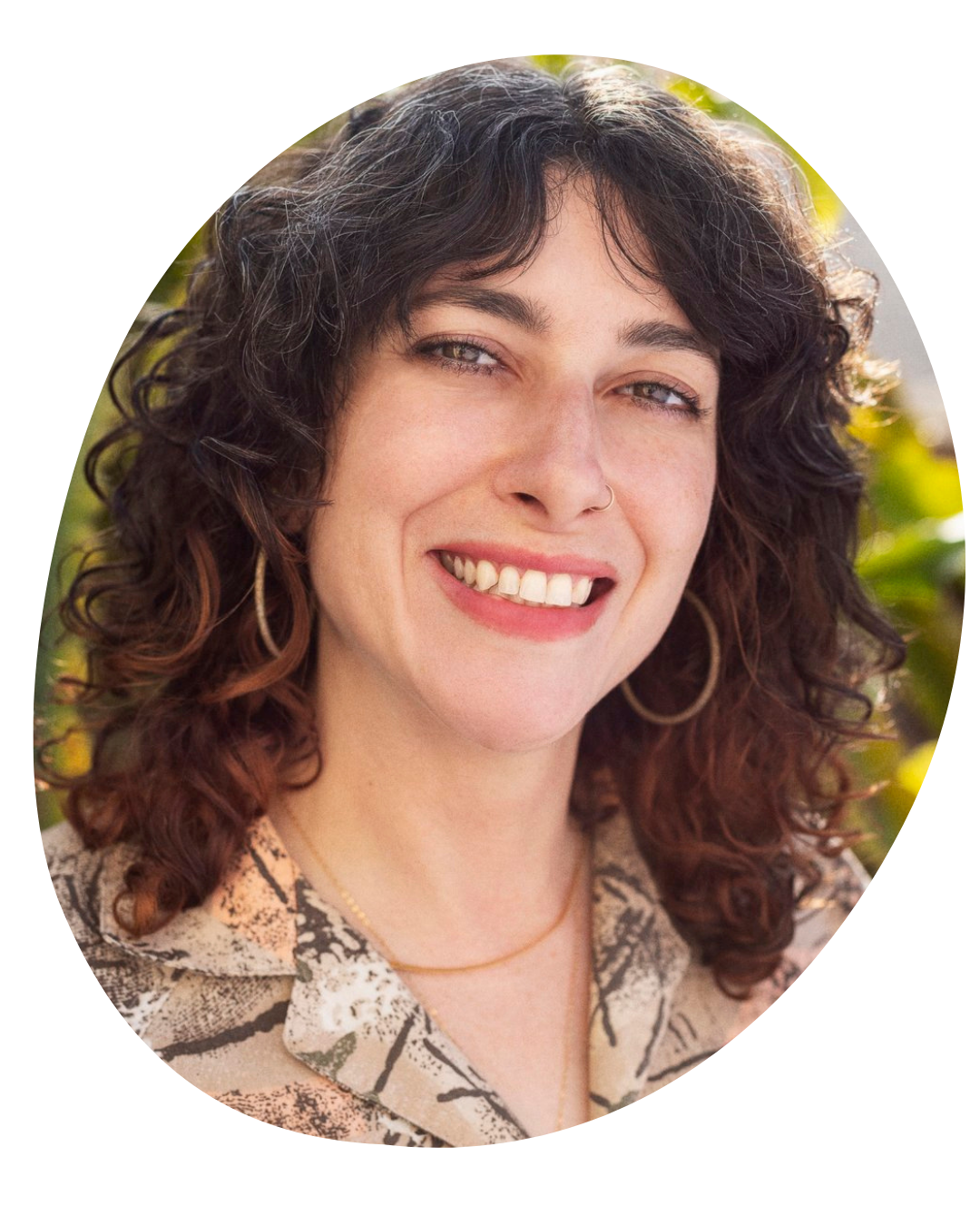
Smiling woman with curly dark hair in a light floral blouse, outdoors with greenery in the background

Hi, I'm Cristina Lugo — LCSW therapist specializing in young adults

I'm a licensed psychotherapist specializing in EMDR, working with Gen Z and young millennial clients across Riverside and the greater Inland Empire. As a Puerto Rican American therapist, I bring a genuine understanding of navigating layered cultural identities and family systems that weren't always built to hold individual needs. My Riverside practice is meant to feel like the grounded, honest space I always wished existed. This work isn't about fixing something broken in you. It's about helping you come back to who you were before you learned to shrink yourself for everyone else's comfort.

FAQ about my services

  • What is the best type of therapy for young adults and teenagers?

    There isn’t a one-size-fits-all answer. The most effective therapy depends on your stage of life, identity, and needs. EMDR, mindfulness, ACT, and creative approaches can all be helpful when tailored to you.


  • Do you offer therapy in person? What about virtual? Which one is better?

    I prefer in-person therapy because it creates a stronger sense of connection at my Pasadena office. Virtual sessions are also available for convenience, and some clients even choose a mix of both.


  • Do you take insurance?

    I am considered out-of-network. Many PPO plans reimburse part of the cost, and I provide monthly superbills so you can request reimbursement directly from your insurance company.


  • What is your cancellation policy?

    I ask for at least 24 hours’ notice if you need to cancel. If we can’t reschedule in the same week, the full session fee will apply.


  • Do you offer a sliding scale?

    I believe that therapy should be within reach, regardless of what life throws your way. I offer a community-minded sliding scale for individuals affected by systemic stressors, financial strain, or unexpected crises. If this applies to you, please let me know. Together we’ll make a plan that supports your healing while honoring the sustainability of my practice.