
Therapy for Teens and Adults in San Marino

I work with teenagers, nonbinary youth, and young adults throughout the San Gabriel Valley who are ready for something more than management. More than coping. More than holding it together. My practice is a place to actually go somewhere: to understand what has been happening, to build something more honest than what exists now, and to grow into a version of yourself that feels real. I bring warmth, depth, and cultural attunement to every session.
The San Gabriel Valley stretches from the foothills of the San Gabriel Mountains down through a wide expanse of cities and communities that are among the most culturally diverse in the United States. Pasadena anchors the western end of the valley with its academic and arts institutions; the central SGV includes communities like Arcadia, Monrovia, El Monte, and Baldwin Park; the eastern end extends through Covina, West Covina, and Pomona. The Gold Line runs through the western portion, connecting communities to one another and to broader Los Angeles.
Growing up in the SGV means growing up in a region where cultural identity is often multilayered, where immigrant and first-generation family experiences are common, and where the pressure to achieve can coexist with limited access to culturally competent mental health support. The teenagers and young adults I work with across this valley are dealing with real things, and they deserve care that actually meets them where they are. Teen therapy in the San Gabriel Valley at my practice is built for exactly that.

How it works

My approach starts with your whole story

The cultural, familial, and community context my clients are navigating is not backdrop: it is part of the clinical work. I bring a decolonial, identity-affirming lens to every session, I use EMDR alongside talk therapy and other approaches, and I adapt everything to the specific person in front of me rather than applying a formula.

Book a discovery call

We start with a free 20-minute consultation. You tell me what is going on. I tell you how I work. We figure out together whether this makes sense. No paperwork before that call, no intake to complete, just a conversation between two people seeing if this is the right fit.

What ongoing work actually looks like

The consistent change I see in my clients is not just reduced symptoms but increased self-knowledge: a clearer, more honest relationship with themselves that holds up when things get hard. That kind of change is what makes everything else possible, and it is what I am working toward with every person I see.

Explore my therapy services and specializations


The young people I work with across the San Gabriel Valley are, in different ways, all navigating something similar: the gap between what they carry on the inside and what they present to the world. For some it is cultural: the version of themselves at home and the version outside of it. For others it is emotional: the person they are in private and the one they perform in public. For many it is both, layered and complicated and exhausting in ways they have never had a space to talk about. In sessions, we close that gap. Not by resolving every complexity but by creating a space where the whole person is welcome, and where the distance between the inside and outside can start to shrink. What develops over time is a more integrated sense of self: one that does not require constant management to hold together, and that can show up more honestly in the relationships and situations that matter.

Across the SGV's many cultural communities, unresolved experience tends to move through generations in ways that are rarely labeled as trauma but that show up clearly in the nervous system of the current generation. The anxiety that predates any specific event. The vigilance that feels like a personality trait but is actually an adaptation. The pattern of response that insight alone has not been able to shift. EMDR is one of the most effective tools I have for this kind of material. It works at the level of the nervous system rather than requiring narrative or analysis, and it produces shifts that more purely verbal approaches often cannot reach. I am a Certified EMDR Therapist, and I bring this into my work across the full range of clients I see: from teenagers navigating identity to young adults processing intergenerational patterns. It meets each person at the level where their experience actually lives.

Anxiety across SGV communities tends to carry a specific cultural texture: the hypervigilance around family reputation, the pressure of carrying immigrant family hopes, the exhaustion of navigating multiple cultural codes in a single day. These are not generic forms of anxiety, and they do not respond well to generic treatment. In sessions, we work with anxiety in its specific cultural and relational context. We identify what the anxiety is actually protecting and what it would cost to let some of it go. We build a different relationship with the pressure rather than trying to eliminate it. Clients across the valley who have done this work describe a gradual shift in their relationship to the pressure: still caring about the things that matter, but no longer being run by the fear underneath them.

Depression shows up differently across the SGV's diverse communities, but one thing is consistent: it tends to go unacknowledged longer than it should. Whether because of stigma, because the external functioning is maintained, or because there is no framework in the family for that kind of struggle, teenagers who are depressed often carry it privately for years before reaching out. In my practice, we take depression seriously from the first session. We do not require the client to arrive with the right language for it or to have already convinced the people in their life that something is wrong. We work from wherever they are. What develops over time is a different relationship with the inner life: the recognition that what they feel matters, that reaching out is a form of strength, and that genuine help is available.

The San Gabriel Valley's communities hold an enormous range of histories: immigration from dozens of countries, experiences of displacement and survival, multigenerational stories of navigating systems that were not designed for them. The trauma that moves through these communities is real and varied, and the way it shows up in the current generation is often not recognized as trauma at all. I work with a wide range of trauma presentations, from clearly identified events to the accumulated effects of chronic stress, systemic harm, and intergenerational experience. I approach each person's history with curiosity and care, and I follow their readiness at every step. The healing I see tends to produce something more spacious: a relationship with the past that is no longer running the present, and a greater sense of what is actually possible now.

Across the SGV, academic achievement is often understood not just as personal success but as a collective investment: the family's sacrifice made tangible, the community's hopes given form. Burnout in this context is not just exhaustion; it is a disruption of a whole relational story, and the shame it produces can be as debilitating as the burnout itself. In sessions, we work with the full complexity of that story: the genuine love inside the expectation, the real limits of this person's current capacity, and the question of what a sustainable relationship with ambition could actually look like for them. Clients who do this work tend to emerge with something more real than what preceded the burnout: a relationship with their own work that is grounded in genuine motivation rather than fear, and a clearer sense of what they are actually building toward.

For young adults from SGV communities, the post-graduate period is often the first time in their lives they have not had a clear script to follow. The years of achievement that led here were structured and legible. What comes next is not, and the disorientation that produces is both real and rarely talked about. Post-grad depression in the SGV often carries both the individual's own confusion and the weight of a community's expectations that have not fully ended with the diploma. The work of figuring out what comes next is also the work of figuring out whose life this actually is. In sessions, we take that question seriously. We explore what this person genuinely wants, build toward a sense of direction that is actually theirs, and develop the internal stability to pursue it without the external scaffolding that school provided.

Across the many communities of the San Gabriel Valley, trauma often exists at the intersection of the personal and the collective: what happened to this person, what happened to their family, and what the community has carried across generations. Working with only one of those layers misses the others, and effective healing has to hold all of them. I work with the full picture of what my clients are carrying, including the layers they may not yet recognize as part of the story. We build safety first, we work at the client's pace, and we approach the material in a way that allows genuine integration rather than just exposure. What I see develop over time is a more whole relationship with the client's own history: one that can hold complexity without being destabilized by it, and that creates genuine space for who they are becoming.

Who I serve

My practice serves clients throughout the San Gabriel Valley including Pasadena, Arcadia, Alhambra, Monrovia, El Monte, Baldwin Park, Covina, and West Covina. I offer in-person sessions at my office at 16 S Oakland Ave Suite 211 in Pasadena, accessible via the Gold Line, and virtual sessions for clients anywhere in California. An embedded map below shows the broader service area.
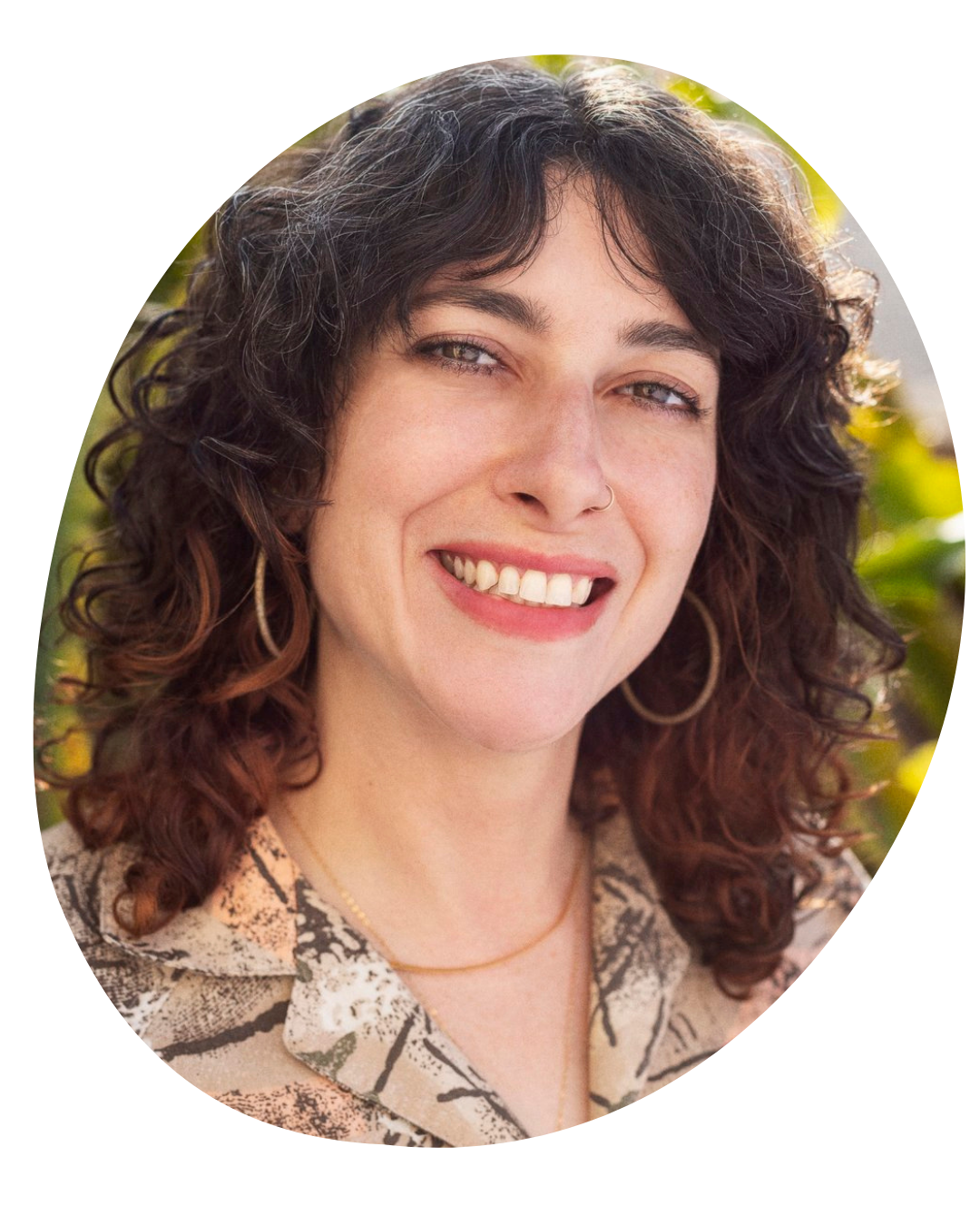
Smiling woman with curly dark hair in a light floral blouse, outdoors with greenery in the background

Hi, I'm Cristina Lugo — teenager therapist serving San Gabriel Valley, CA

I'm a Licensed Clinical Social Worker and Certified EMDR Therapist who has spent over fourteen years working with teenagers and young adults across the San Gabriel Valley and greater Los Angeles. I bring a culturally grounded, trauma-informed, and identity-affirming approach to every session, and I believe that mental health care should be built around the actual person seeking it: their culture, their family, their history, and their own developing sense of self. As a Puerto Rican-American therapist, I bring lived understanding of navigating complex identities and systems that were not designed for you. I work from my Pasadena office and offer virtual sessions across California. Therapy isn't about fixing you. It's about helping you remember who you were before the world got loud.

FAQ about my services

  • What is the best type of therapy for young adults and teenagers?

    There isn’t a one-size-fits-all answer. The most effective therapy depends on your stage of life, identity, and needs. EMDR, mindfulness, ACT, and creative approaches can all be helpful when tailored to you.


  • Do you offer therapy in person? What about virtual? Which one is better?

    I prefer in-person therapy because it creates a stronger sense of connection at my Pasadena office. Virtual sessions are also available for convenience, and some clients even choose a mix of both.


  • Do you take insurance?

    I am considered out-of-network. Many PPO plans reimburse part of the cost, and I provide monthly superbills so you can request reimbursement directly from your insurance company.


  • What is your cancellation policy?

    I ask for at least 24 hours’ notice if you need to cancel. If we can’t reschedule in the same week, the full session fee will apply.


  • Do you offer a sliding scale?

    I believe that therapy should be within reach, regardless of what life throws your way. I offer a community-minded sliding scale for individuals affected by systemic stressors, financial strain, or unexpected crises. If this applies to you, please let me know. Together we’ll make a plan that supports your healing while honoring the sustainability of my practice.