Therapist in Sierra Madre, CA | EMDR, Art & Somatic Therapy
By the time someone reaches out to me, they've often been quietly struggling for a long stretch before finally deciding to say something. I work with Gen Z and young millennial clients moving through the real weight of early adulthood, things like anxiety, shifting relationships, and the pressure of building a career that actually fits them. For some, that's the whole focus. For others, we go further, using EMDR to work through cumulative childhood experiences that were never labeled as anything worth addressing at the time. I hold both of those possibilities with equal seriousness. Whatever stage you're at, my hope is that you leave each session a little lighter than you came in.
The town's small, walkable downtown is the kind of place where you might run into three people you know just picking up coffee, and the trailhead for the Mount Wilson Trail sits close enough that plenty of my clients hike it on hard weeks. Every spring, the Wistaria Festival draws people in to see the enormous wisteria vine that's become something of a local landmark, and the mountains themselves seem to press right up against the edge of town. Tucked directly against the San Gabriel foothills, this community has held onto a strong small town identity that a lot of bigger cities nearby have lost. That closeness is part of what makes life here feel good and also, at times, a little too visible.
Living somewhere this small and connected has real gifts, but it also means privacy can feel hard to come by when everyone seems to know your business or at least thinks they do. A lot of my clients here worry about being seen walking into a therapist's office, or having their struggles become part of the town's quiet gossip. Underneath that, plenty are dealing with family patterns that formed long before anyone in town could have noticed, patterns that don't show up in casual conversation at the farmers market. Clients choose to work with me because I take confidentiality seriously and because I understand what it's like to want closeness without losing all your privacy in the process. That balance is often what finally makes reaching out feel safe.

How it works

My approach starts with your whole story

There's no template I run every client through here. My work is rooted in trauma informed care, EMDR, and real curiosity about what shaped you long before this moment, not just the issue that brought you in the door. I bring a decolonial lens to this work, staying attentive to culture, family history, and inherited expectation as part of the actual clinical picture. Sessions can include talk therapy, EMDR, somatic tools, or something more creative, depending on what genuinely helps.

Book a discovery call

Starting out with me means having a real conversation first, not filling out some clinical form and hoping for the best. I want to hear what's actually going on, what hasn't helped before, and what you're hoping shifts. There's no pressure to have it all sorted out before we talk. From that conversation, we build a plan together that's actually shaped around you.

What ongoing work actually looks like

What I notice most in clients who stick with this work is a real change in how steady they feel day to day. They gain tools for the moments that used to overwhelm them, more clarity about who they are outside of inherited roles, and a stronger sense of self that doesn't crumble under pressure. Many have tried therapy before somewhere else and felt like it never really stuck. This tends to go deeper.

Explore my therapy services and specializations


You might be someone who seems totally fine from the outside while quietly wondering if you're doing any of this right, career, relationships, who you even are apart from what your family expected. That gap between how put together you look and how uncertain you actually feel can be exhausting to maintain. A lot of people carry that gap for years before ever mentioning it to anyone. We work through that together, slowly and honestly. We figure out what's actually yours to carry versus what you absorbed from your surroundings, and we build coping skills that fit your real life instead of some idealized version of it. I tailor this work to you specifically, because generic advice rarely holds up under real pressure. Over time, most clients notice they stop working so hard just to appear okay. There's a real relief that comes with finally being able to just exist as you are, without constantly managing how you're perceived.

Sometimes your body remembers something your mind has already logically moved past. A racing heart during an ordinary conversation, a sudden urge to shut down, none of that is a flaw in you. It's your nervous system holding onto information it hasn't updated yet. EMDR reaches that stuck material in a way that talking alone often can't. You don't need to describe every painful detail out loud for this to work, which tends to be a relief for people who've spent years bracing to explain themselves to someone new. We move through this work entirely at your own pace, never faster than feels right. Clients often describe fewer sudden reactions and a calmer overall baseline, whether we meet at my office or through a video call.

Certain experiences are hard to explain even when you understand them clearly in your head. Art therapy offers another way to access that material, one that doesn't depend on finding perfect language first. Working through image or material lets feelings take shape before you have to articulate them out loud. That takes real pressure off needing to have it all figured out before you're allowed to feel anything about it. No artistic experience is needed here, and there's no judgment on what you create. It's simply another door into the same honest work, especially helpful on days when words just aren't cooperating.

You can understand a pattern completely on an intellectual level and still notice your jaw clench every time a certain subject comes up. Somatic therapy addresses that physical layer directly instead of only circling it in conversation. We practice noticing what's happening in your body as it happens, catching tension before it fully takes hold. Over time, that builds a real capacity to stay grounded through hard moments instead of getting swept up in them. This pairs naturally with EMDR and talk therapy, and it gives you something concrete to use between sessions, whether we're meeting in person or virtually.

PTSD doesn't always show up the way people expect. Sometimes it looks like feeling on edge without a clear reason, steering clear of certain places without fully knowing why, or having memories resurface when you least expect them. That's a nervous system trying to protect you based on information that's now out of date. My approach puts safety and pacing first, always. You won't need to retell every painful detail for this work to help, which is a genuine relief for a lot of people. We only move as quickly as feels sustainable for you. Over time, I see something shift, slowly but genuinely. The past loosens its hold on the present, even if it never disappears completely. A lot of clients don't believe that's possible at first, and helping them get there is deeply meaningful work.

Childhood trauma doesn't have to look dramatic to be real and worth addressing. Many of my clients are carrying something quieter, a parent who checked out emotionally, a household where feelings were treated as inconvenient, expectations placed on you before you were old enough to have a say. I take this kind of history slowly, because safety always comes before progress. There's no rush toward some arbitrary finish line, and the focus stays on helping your nervous system let go of what it's been holding without pushing you past what feels manageable. Over time, clients begin to hold their story in a new way, one that makes room for what happened without letting it define everything else about them. Being part of that shift is one of the most meaningful parts of this work for me.

For some teens, individual sessions aren't quite enough, and being around others facing something similar changes everything. Group therapy helps teens feel less alone in what they're carrying, whether that's anxiety, family tension, or the pressure of growing up in a tight knit town where everyone seems to know everyone. These groups are built to feel safe rather than like a performance, giving teens space to be honest without a room full of adults judging their every response. Many teens find it easier to accept support from peers their own age than from any adult. This is a space where struggling doesn't make you the odd one out, and support looks like real connection instead of correction.

Plenty of what I help adults work through started forming much earlier, which is why I also work directly with teenagers who are already carrying more than they should have to. That can look like anxiety, family conflict, or the tiring habit of managing everyone else's emotions before their own. Teens tend to open up once they feel genuinely taken seriously instead of managed, and sessions give them real language for what they're going through before it becomes a lifelong pattern. Parents often notice their teen starting to name a feeling instead of just reacting out of it. This work meets teens exactly where they are, not where some general standard says they should be, whether we meet in person or virtually.

Who I serve

I work with clients throughout Sierra Madre and nearby communities including Arcadia, Pasadena, Monrovia, and Altadena. Sessions are available in person for local clients and virtually for anyone across California who would rather meet from home. You can see a map of the surrounding service area just below.
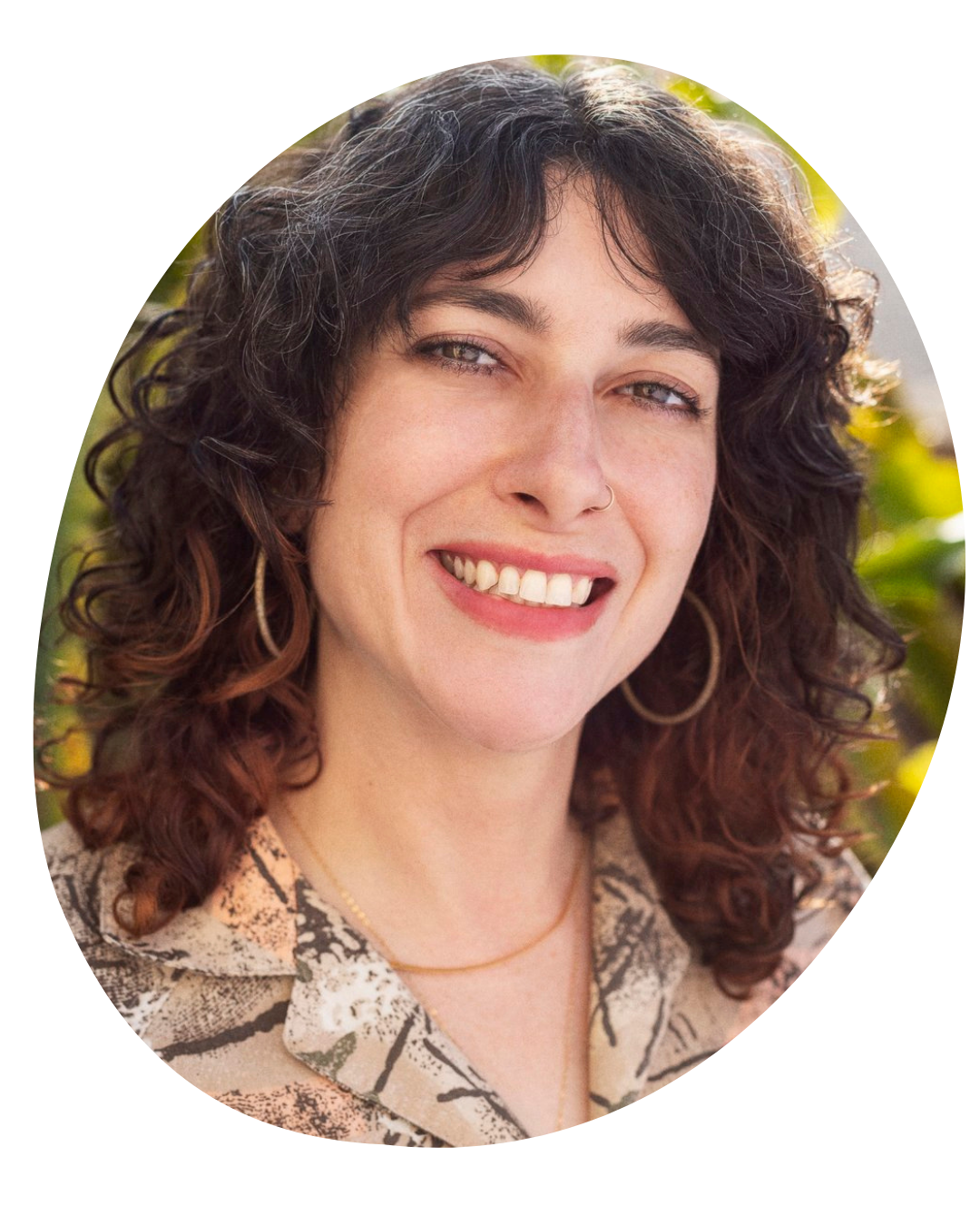
Smiling woman with curly dark hair in a light floral blouse, outdoors with greenery in the background

Hi, I'm Cristina Lugo — LCSW therapist specializing in young adults

I'm Cristina Lugo, a licensed psychotherapist who specializes in EMDR, working with clients throughout Sierra Madre and the surrounding foothill communities. As a Puerto Rican American therapist, I bring a culturally responsive, decolonial lens to every session, understanding what it means to hold multiple identities and expectations at once. My approach stays warm and collaborative, because healing works better as a partnership than a lecture. This isn't about smoothing you into someone more convenient for everyone else. It's about helping you find your way back to yourself, underneath everything you've been carrying.

FAQ about my services

  • What is the best type of therapy for young adults and teenagers?

    There isn’t a one-size-fits-all answer. The most effective therapy depends on your stage of life, identity, and needs. EMDR, mindfulness, ACT, and creative approaches can all be helpful when tailored to you.


  • Do you offer therapy in person? What about virtual? Which one is better?

    I prefer in-person therapy because it creates a stronger sense of connection at my Pasadena office. Virtual sessions are also available for convenience, and some clients even choose a mix of both.


  • Do you take insurance?

    I am considered out-of-network. Many PPO plans reimburse part of the cost, and I provide monthly superbills so you can request reimbursement directly from your insurance company.


  • What is your cancellation policy?

    I ask for at least 24 hours’ notice if you need to cancel. If we can’t reschedule in the same week, the full session fee will apply.


  • Do you offer a sliding scale?

    I believe that therapy should be within reach, regardless of what life throws your way. I offer a community-minded sliding scale for individuals affected by systemic stressors, financial strain, or unexpected crises. If this applies to you, please let me know. Together we’ll make a plan that supports your healing while honoring the sustainability of my practice.