
Therapist in Thousand Oaks, CA | EMDR, Art & Somatic Therapy
I work with young adults who often present as composed and accomplished while privately feeling stretched thin in ways they rarely say out loud. Many of my clients are managing career transitions, evolving relationships, and family patterns that shaped their sense of worth long before they had a say in it. My practice is trauma informed at its foundation, using EMDR, somatic techniques, and art based approaches for the moments when conversation alone isn't enough. A decolonial, culturally aware lens runs through everything I do, because your family and cultural background are part of the whole picture, not a footnote. This is a space for people who are ready to stop managing everything solo.
Students and young professionals connected to California Lutheran University make up part of who I work with, often navigating the identity questions that come with early adulthood alongside academic or career demands. Others live closer to the foothills of the Santa Monica Mountains or spend weekend mornings hiking through Wildwood Regional Park, seeking a bit of quiet in a busy stretch of life. Set within the Conejo Valley, this area often gets described as calm and family oriented, though The Oaks shopping mall and its steady flow of daily life tells a more layered story. Whether someone's tied to the university or rooted in one of the surrounding neighborhoods, there's usually more happening beneath the surface than the setting suggests.
There's a specific kind of pressure that comes with growing up in a place that looks calm and orderly from the outside, the expectation that you should be fine simply because your surroundings are. For clients also managing cultural or generational expectations that don't get talked about openly, that mismatch between appearance and reality gets exhausting fast. My practice exists to close that gap, offering a space where looking fine isn't a requirement. People often choose to keep working with me because it's the first time they've felt like their whole story was actually welcome in the room.

How it works

My approach starts with your whole story

Everything I do starts from a trauma informed place, meaning we look closely at how your nervous system adapted long before you had the words to explain any of it. EMDR anchors a lot of my work, paired with somatic tools and creative methods for the moments plain conversation doesn't quite get there. A decolonial lens shapes all of it, so we're always thinking about the cultural and family context behind what you're carrying, not treating it as an isolated issue. Curiosity leads the process more than any single fixed method.

Book a discovery call

Starting with me looks like an honest, human conversation rather than a clinical checklist. I want to understand what's going on, what you've already tried, and what real change would actually look like for you. Nothing about this step feels evaluative or cold. From there, we build a plan together that reflects what you actually need, not a generic template applied to everyone.

What ongoing work actually looks like

As we continue working together, clients develop tools they genuinely carry into daily life, not just temporary relief that fades after the session ends. They get clearer on which beliefs and habits are truly their own versus inherited from family or culture, and they build a relationship with themselves sturdy enough to hold up when things get hard again. Many of my Thousand Oaks clients have done therapy before without much lasting change. This time is different.

Explore my therapy services and specializations


You might look like you have your life together while quietly feeling disconnected from most of it. Career pressure, relationship complexity, and the ongoing question of who you are apart from family expectations can pile up quietly until it's suddenly too much to carry alone. Sessions slow that buildup way down. We identify what's really happening underneath the surface, trace where certain patterns took root, and build coping tools sturdy enough for real life, not just theoretical ones. Many clients notice they've stopped operating in constant survival mode. That shift toward feeling like an active participant in your own life tends to be one of the clearest signs the work is taking hold.

If certain moments trigger a reaction that feels disproportionate to what's actually happening, that isn't something to be ashamed of. It usually means an earlier experience never fully finished processing, and your nervous system is still reacting as if the danger is current. EMDR addresses that directly, working with where an experience is stored in the body and mind rather than only the narrative you've built around it. You don't need to describe every detail of what happened for this to work, which is a real relief for people who feel tired of explaining themselves. We move through EMDR entirely at a pace that fits you. Clients often describe feeling more settled afterward, less pulled by old reactions and more anchored in what's actually happening right now.

Certain experiences resist being put into words, no matter how much insight you've already gathered about them. Art therapy provides another way in, one that doesn't depend on having the exact language ready first. Working through image or material allows what's underneath to come forward before you can fully explain it, which relieves the pressure of needing everything figured out in advance. No artistic training is needed for this work, and nothing you create gets evaluated. It's simply a different entry point into the same honest process, especially helpful on days when talk therapy alone hits a wall.

You can understand a pattern completely and still feel it play out in your body anyway, the clenched jaw before a hard conversation, the shallow breathing before you try to rest. Somatic therapy works with that physical experience directly instead of only addressing it through conversation. We build real time awareness of bodily sensation, learning to catch tension or anxiety before it fully takes over. Over time, that awareness means feeling less hijacked by automatic stress responses and more able to stay grounded through difficult moments. This pairs naturally with EMDR and talk therapy, giving you something concrete to use between sessions, whether we meet here in Thousand Oaks or connect virtually.

PTSD doesn't always show up in obvious ways. Sometimes it looks like ongoing hypervigilance, avoiding certain people or situations without a clear reason, or old memories surfacing at inconvenient moments. None of that is a flaw in you. It's a nervous system that adapted to protect you and hasn't caught up to the present. I center safety and pacing above everything else in this work. You're never asked to narrate every detail for the process to be effective, and we move only as fast as genuinely feels sustainable for you. Over time, what shifts is real and lasting, not erasing what happened, but the past finally losing its grip on the present. Many clients don't believe that's possible at first, which makes watching that shift especially meaningful.

Childhood trauma doesn't need a single dramatic event to be legitimate. Many of my highest functioning clients grew up with a parent who couldn't tolerate their emotions, or a household where appearing fine mattered more than being honest. I move through this work slowly and with genuine care. Safety always comes first, and there's no pushing toward a timeline that doesn't actually fit you. The goal is helping your nervous system finally release what it's been holding, not just talking around it. Over time, clients begin reclaiming ownership of their story in a way that includes what happened without letting it define them completely. Getting to witness that reclaiming is one of the most meaningful parts of this work.

For some teens, individual sessions only address part of what they need, and being with peers facing something similar changes the entire dynamic. Group therapy helps teens realize they aren't the only one carrying anxiety, family pressure, or the weight of growing up in a high achieving environment. These groups are built to feel genuinely safe, not like a performance for a watching adult. Many teens find it easier to accept support and feedback from people their own age. It's a space where struggling doesn't set you apart, and where connection, not correction, stays the focus.

Many of the patterns I help adults untangle took root earlier in life, which is part of why I also work with teenagers already carrying more than their age should require. That can look like anxiety, tension at home, or quietly managing everyone else's emotional temperature before their own. Teens tend to open up once they feel genuinely respected instead of managed. Sessions give them concrete language for what they're feeling before it hardens into a long term pattern, and parents often notice their teen starting to name emotions rather than only acting them out. This work adapts to where teens actually are, not where a general guideline expects them to be, whether we meet in person or virtually.

Who I serve

I serve clients throughout Thousand Oaks, including those near California Lutheran University, Wildwood Regional Park, and The Oaks shopping area, as well as surrounding communities across the Conejo Valley. Sessions are available in person here in Thousand Oaks and virtually for clients anywhere in California who prefer to meet remotely. The map below shows the surrounding service area.
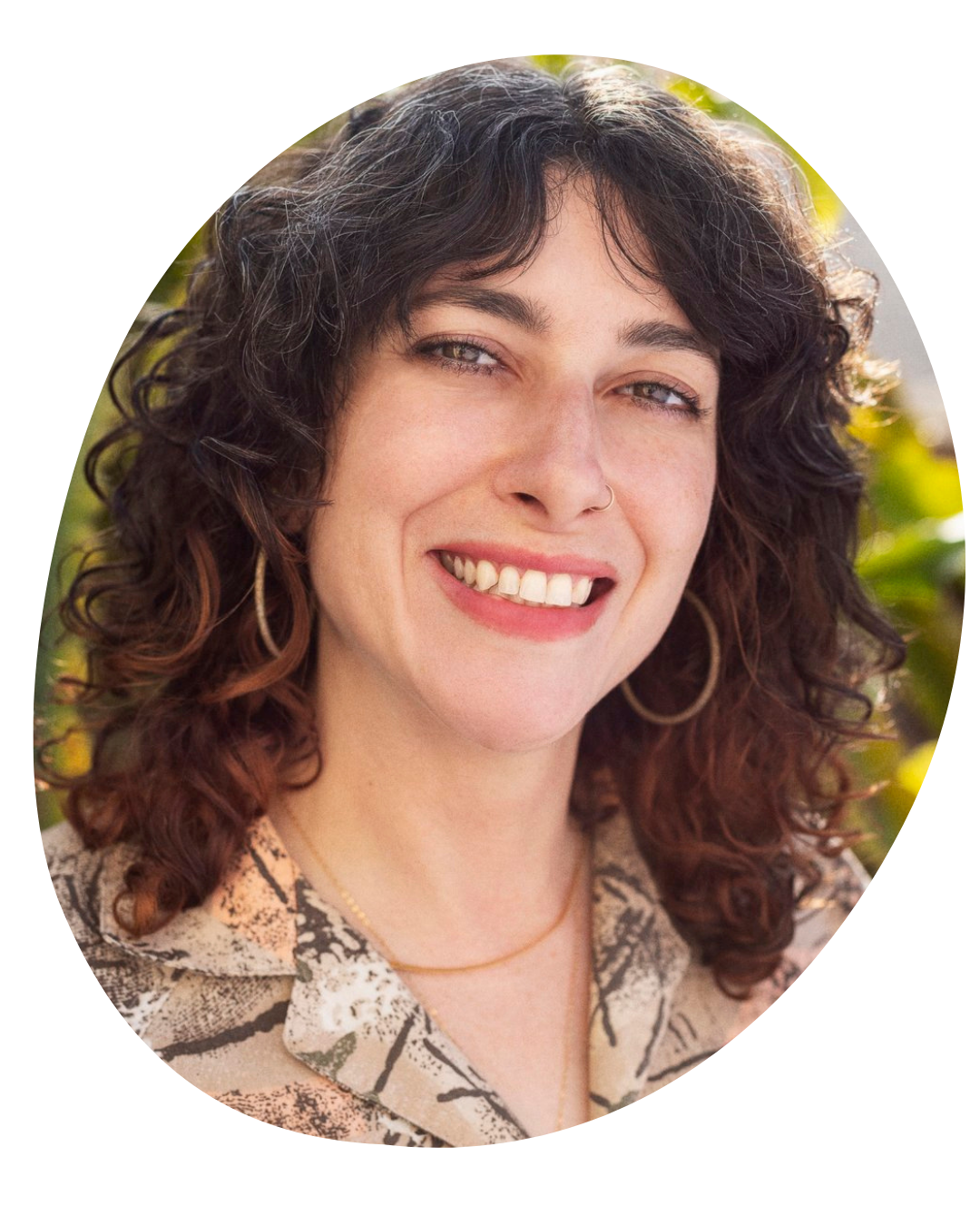
Smiling woman with curly dark hair in a light floral blouse, outdoors with greenery in the background

Hi, I'm Cristina Lugo — LCSW therapist specializing in young adults

I'm a licensed psychotherapist who specializes in EMDR, supporting Gen Z and young millennial clients throughout Thousand Oaks and the surrounding Conejo Valley. As a Puerto Rican American therapist, I understand what it means to carry multiple cultural identities and expectations at once, and that understanding informs how I show up in every session. My Thousand Oaks practice is built to be the calm, honest space I know a lot of quietly overwhelmed young adults are looking for. This isn't about fixing what's wrong with you. It's about helping you reconnect with the version of yourself that existed before you learned to perform being fine.

FAQ about my services

  • What is the best type of therapy for young adults and teenagers?

    There isn’t a one-size-fits-all answer. The most effective therapy depends on your stage of life, identity, and needs. EMDR, mindfulness, ACT, and creative approaches can all be helpful when tailored to you.


  • Do you offer therapy in person? What about virtual? Which one is better?

    I prefer in-person therapy because it creates a stronger sense of connection at my Pasadena office. Virtual sessions are also available for convenience, and some clients even choose a mix of both.


  • Do you take insurance?

    I am considered out-of-network. Many PPO plans reimburse part of the cost, and I provide monthly superbills so you can request reimbursement directly from your insurance company.


  • What is your cancellation policy?

    I ask for at least 24 hours’ notice if you need to cancel. If we can’t reschedule in the same week, the full session fee will apply.


  • Do you offer a sliding scale?

    I believe that therapy should be within reach, regardless of what life throws your way. I offer a community-minded sliding scale for individuals affected by systemic stressors, financial strain, or unexpected crises. If this applies to you, please let me know. Together we’ll make a plan that supports your healing while honoring the sustainability of my practice.