
Therapist in Whittier, CA | EMDR, Art & Somatic Therapy
I work with Gen Z and young millennial clients who are carrying far more than they let on, career pressure, complicated relationships, and family patterns that were handed down long before they had any say. My practice exists for people who want real insight, not just an hour of venting with no follow through. I bring a trauma informed, culturally responsive approach into every session, and I hold your history with care rather than treating it as a checklist of problems. A lot of my clients are figuring out who they are apart from the roles their families assigned them early on. You don't have to arrive with a clear diagnosis or a tidy story for this work to help.
Many of my clients grab coffee or run errands through Uptown Whittier's walkable shopping district, and some are current students or graduates of Whittier College navigating the pressure of academics alongside everything else at home. Others grew up near the Rio Hondo or spent weekends at Whittier Narrows, places that feel woven into their sense of home even now. Founded with Quaker roots, this city carries a quieter, community oriented history that shows up in how tightly connected its neighborhoods still feel. That closeness can be a real comfort, and it can also mean everyone knows everyone's business, which makes privacy around mental health feel complicated for a lot of my clients.
Growing up in a close knit community means your struggles rarely stay just yours, and a lot of my clients here worry about being seen differently once people learn they're in therapy. There's also a specific weight to feeling like you're expected to stay close to home, follow a certain path, and not stray too far from what your family and community consider normal. Wanting something different, whether that's a career path, a relationship, or simply more independence, can feel like you're letting people down even when you're not doing anything wrong. I offer a space where wanting more for yourself doesn't need defending. Clients tell me it's the first place they've felt like their own choices were allowed to just be theirs.

How it works

My approach starts with your whole story

My approach isn't built from a script, and it never will be. I use trauma informed care and EMDR as core tools, alongside real curiosity about the family and community systems that shaped how you learned to cope. A decolonial lens means I'm looking at inherited expectations and power dynamics honestly, not just addressing surface level symptoms. I'd rather ask real questions than assume I already understand your story. Sessions might include talk therapy, EMDR, somatic tools, or creative approaches, whatever actually fits what you need.

Book a discovery call

Starting here looks like a genuine conversation, not a formal intake style interview. I want to hear what's actually going on, what you've tried already, and what you're hoping shifts. There's no pressure to have it all figured out before we talk. From there, we build a plan together, because your input matters just as much as my training.

What ongoing work actually looks like

Clients here walk away with more than short term relief. They build real tools for hard moments, a clearer sense of which expectations are genuinely theirs to carry, and a steadier relationship with themselves overall. Many come in doubting that therapy could offer anything beyond a sympathetic ear. That doubt tends to shift quickly once we actually get to work.

Explore my therapy services and specializations


Between career pressure, complicated relationships, and figuring out who you are apart from your family's expectations, being a young adult right now is genuinely a lot to manage. In our sessions, we slow that down together. We look closely at what's actually fueling your anxiety or the patterns that keep repeating in your relationships, and build tools that fit your real life, not a generic plan. You bring the specifics, and we shape the approach around them. Over time, most clients notice they're carrying less tension day to day. There's more space to just exist without constantly bracing for what comes next.

Some experiences don't loosen their grip just because you understand them intellectually. If your body still reacts strongly in certain moments, tightening up, going quiet, spiraling, that's your nervous system still protecting you the way it learned to. EMDR addresses that directly, without requiring you to narrate every detail of what happened. It helps your brain finish processing what's been stuck, which is often a relief for people who've felt pressure to justify their pain just to be taken seriously. We move at whatever pace genuinely feels right for you. Clients often describe feeling calmer afterward, as if an old alarm that used to go off constantly finally settled down.

Some feelings resist language completely, especially ones you've never had space to fully process out loud. Art therapy doesn't require the right words to get started. Working through image or material lets what's underneath surface naturally, sometimes before you can even name it clearly. What shows up in the work often says more than a carefully chosen sentence ever could. No artistic background is needed, and nothing you make gets judged. It's simply another way into honest work, especially helpful on days when talking feels completely out of reach.

You can understand a pattern fully and still feel it show up in your body anyway, the tight chest before a family gathering, the shallow breath before setting a boundary. Somatic work builds your real time awareness of that physical experience, so bracing or tension gets noticed before it fully takes over. That awareness becomes something genuinely useful, not just something you register in hindsight. This pairs naturally with EMDR and talk therapy, giving you real tools to use between sessions, whether we meet in person or virtually.

PTSD doesn't always show up the way people expect. Sometimes it's constant unease for no clear reason, avoiding certain people or places without fully knowing why, or a memory surfacing at the worst possible moment. My approach centers safety and pacing above everything else. We work in a way that helps you process what happened without needing to relive every detail, and we never move faster than feels right for you. What I see over time is a real, gradual shift. The past loosens its hold on the present. It doesn't vanish, but it stops running things, and that shift tends to feel like genuine relief.

Childhood trauma doesn't need to look extreme to be real. A lot of my clients grew up managing a parent's emotions, playing peacekeeper in the family, or learning early that their own needs came second. This work moves slowly, with safety built in as the foundation rather than an afterthought. We go at your pace, helping your nervous system finally let go of what it's been carrying without tipping you into overwhelm. Over time, clients start to hold their story on their own terms, including what happened without letting it define everything. That shift often feels like getting a piece of yourself back.

For some teens, individual sessions aren't quite enough, and being around peers who genuinely understand shifts the entire experience. Group therapy gives teens a chance to feel less alone in whatever they're carrying, whether that's family pressure, anxiety, or the effort of holding things together for everyone else. These groups are built to feel safe, not like a performance for a room of adults. Many teens find it easier to accept support from people their own age, and that connection often ends up being just as meaningful as anything discussed directly.

I also work with teenagers who are already carrying more responsibility than their age really calls for, often the ones who've quietly kept the peace at home for longer than makes sense. Teens open up faster when they feel genuinely respected instead of managed. Sessions give them real language for what they're feeling before it hardens into a pattern that follows them into adulthood. This work meets teens exactly where they are, not where some general standard says they should be, whether we meet in person or virtually.

Who I serve

My practice serves clients throughout Whittier and nearby communities including Pico Rivera, Santa Fe Springs, La Habra, and East Whittier, as well as the greater San Gabriel Valley. I offer in-person sessions in Whittier and virtual sessions for clients anywhere in California who prefer to meet remotely. The map below shows the surrounding service area.
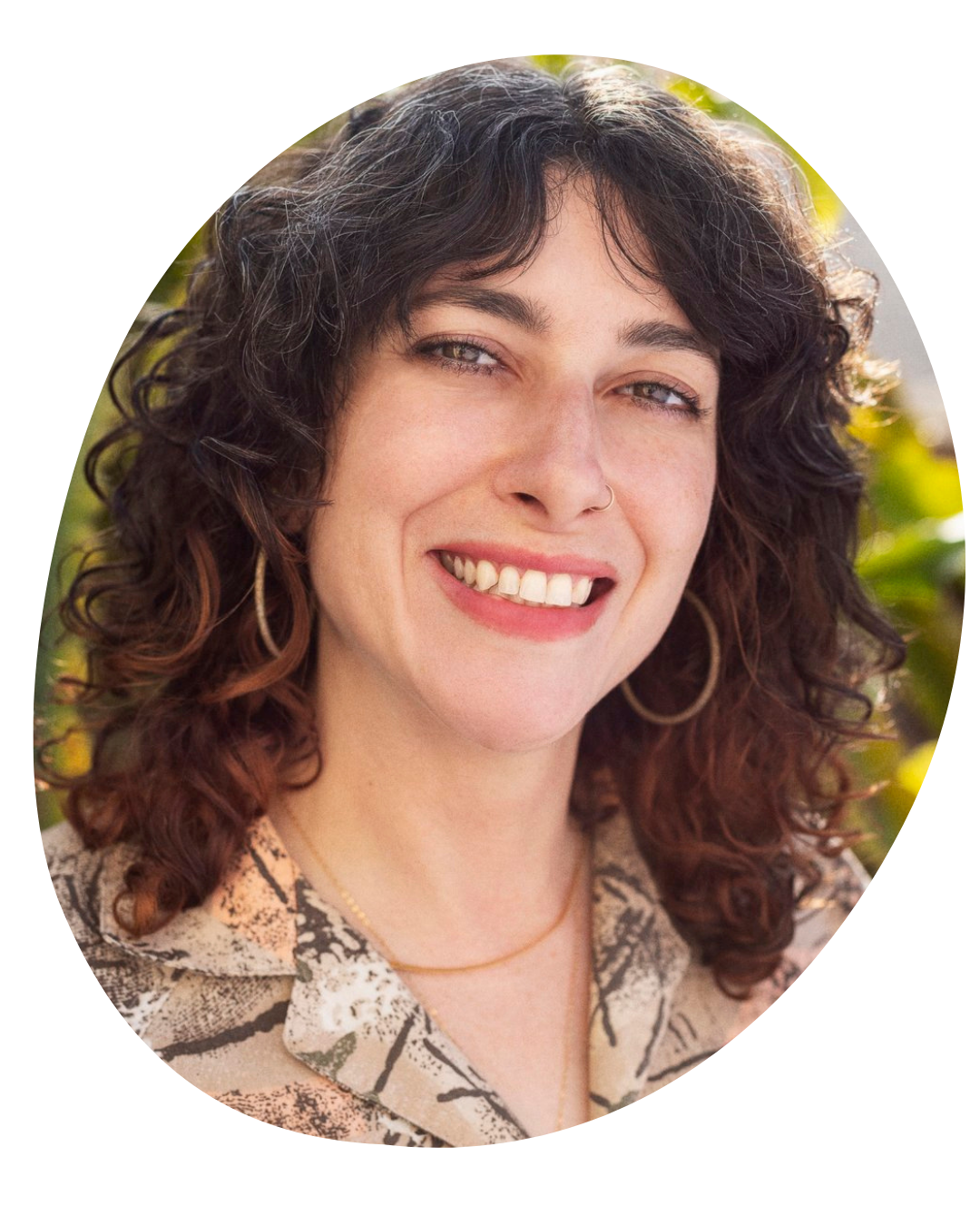
Smiling woman with curly dark hair in a light floral blouse, outdoors with greenery in the background

Hi, I'm Cristina Lugo — LCSW therapist specializing in young adults

I'm a licensed psychotherapist specializing in EMDR, working with Gen Z and young millennial clients across Whittier and the surrounding San Gabriel Valley. As a Puerto Rican American therapist, I understand what it means to belong to a tight knit community while still needing room to become your own person. My work in Whittier is built for people ready to stop shrinking themselves to fit expectations. This isn't about deciding what's wrong with you and correcting it. It's about helping you reconnect with who you were before everyone else's opinions got so loud.

FAQ about my services

  • What is the best type of therapy for young adults and teenagers?

    There isn’t a one-size-fits-all answer. The most effective therapy depends on your stage of life, identity, and needs. EMDR, mindfulness, ACT, and creative approaches can all be helpful when tailored to you.


  • Do you offer therapy in person? What about virtual? Which one is better?

    I prefer in-person therapy because it creates a stronger sense of connection at my Pasadena office. Virtual sessions are also available for convenience, and some clients even choose a mix of both.


  • Do you take insurance?

    I am considered out-of-network. Many PPO plans reimburse part of the cost, and I provide monthly superbills so you can request reimbursement directly from your insurance company.


  • What is your cancellation policy?

    I ask for at least 24 hours’ notice if you need to cancel. If we can’t reschedule in the same week, the full session fee will apply.


  • Do you offer a sliding scale?

    I believe that therapy should be within reach, regardless of what life throws your way. I offer a community-minded sliding scale for individuals affected by systemic stressors, financial strain, or unexpected crises. If this applies to you, please let me know. Together we’ll make a plan that supports your healing while honoring the sustainability of my practice.