
Stress in high schoolers and how it shapes their emotional world
Stress in high schoolers often appears gradually, through subtle shifts in mood, energy, or motivation that are easy to miss at first. Stress affects a teenager in quiet ways long before they know how to describe what exactly is weighing on them. As a parent, it can be confusing to tell whether these changes are part of normal adolescence or signs that your teen is overwhelmed internally. Understanding what stress looks like in high schoolers can help you feel more grounded as you support them through this season.
In case you are new here, I’m Cristina Lugo, LCSW and I support teens and young adults through affirming and culturally responsive in person therapy. Through my academic burnout therapy work, I help high school students navigate pressure and rebuild their sense of balance. When stress turns into emotional heaviness or persistent sadness, my teenage depression therapy approach offers a space where teens can process what feels overwhelming at their own pace. And when stress becomes anxiety, fear, or constant worry, my anxiety therapy for high school students work supports teens in regulating their nervous system and reconnecting with themselves more steadily.
What causes stress in high schoolers?
Stress in teens often comes from multiple sources that overlap. Academic, social, and family expectations can create ongoing pressure that can feel impossible to navigate.
Academic vs social pressure
Many high schoolers feel torn between keeping their grades up and maintaining friendships. Academic stress can stem from heavy workloads, college expectations, or fear of disappointing parents and teachers. Social stress often comes from peer comparison, social media, or a fear of not fitting in. Oftentimes, academic responsibilities are at odds with social pressures to make and keep friends.
Family, culture, and values
Family culture also shapes how a teen experiences stress. Teens from families that value achievement or sacrifice may feel pressure to succeed or avoid conflict. Those from collectivist or immigrant backgrounds might carry the weight of representing their family’s success. These expectations, even when unspoken, affect how a teen processes pressure and whether they feel safe expressing it.
When stress shows up in your high schooler’s daily life in ways you can see
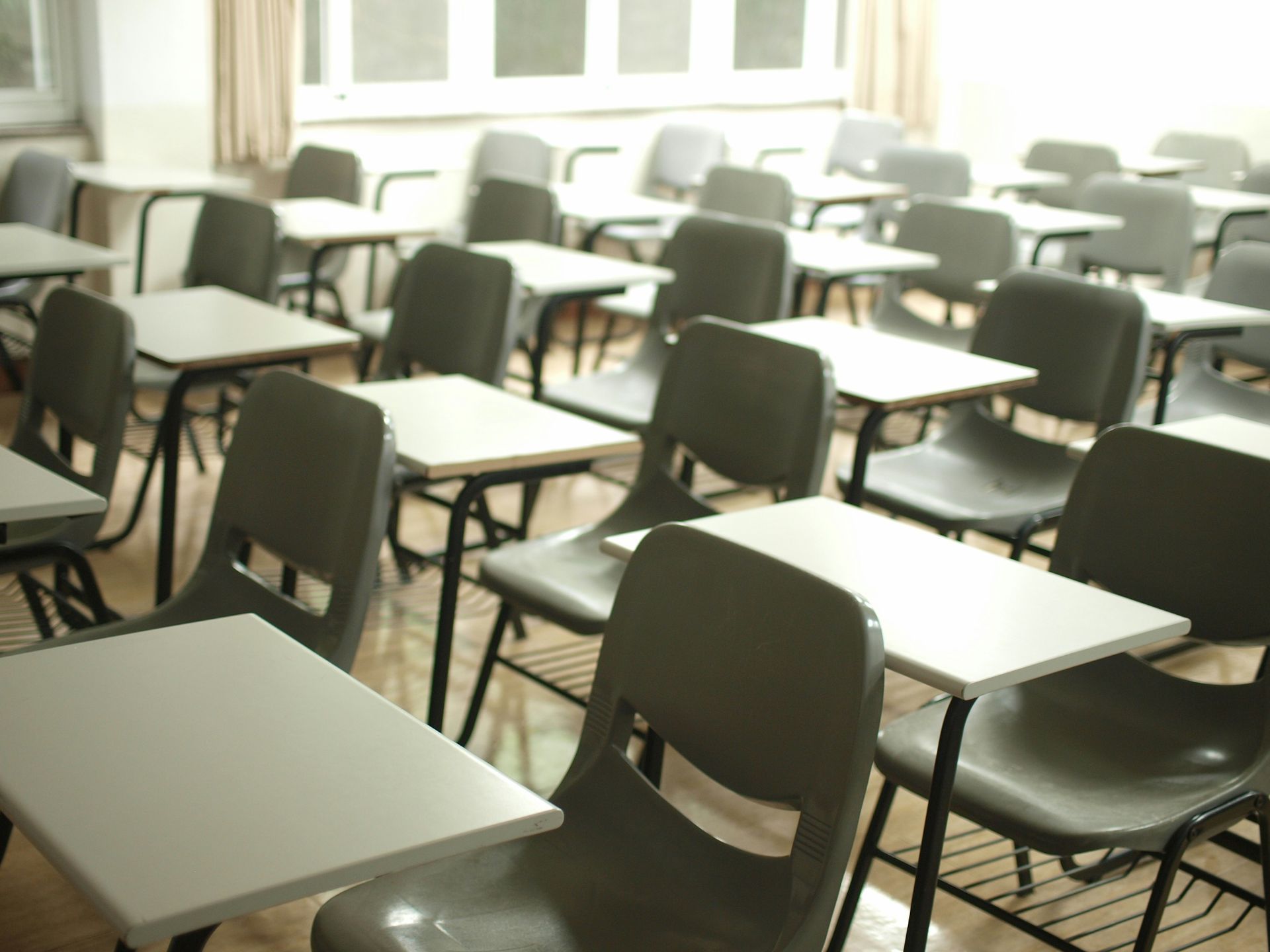
Stress rarely enters a teen’s life dramatically. It usually starts with changes that seem small but accumulate over time. Even capable teens can appear unusually distracted or overwhelmed despite doing everything they can to stay on track. Parents often notice shifts that hint at deeper pressure beneath the surface.
Emotional signs vs physical signs of stress
Teens might withdraw, become irritable, or appear emotionally flat. They may lose interest in activities they used to enjoy, procrastinate on assignments, or spend more time alone.
Physically, stress can show up as headaches, stomach discomfort, disrupted sleep, or fatigue. In some teens, GI symptoms can manifest with nausea and vomiting. If you are seeing signs of illness, consult with a doctor to rule out any physical causes. If doctors are unable to find a physical cause, it may be helpful to consult with a mental health professional to determine if psychotherapy could be helpful. These are not signs of laziness but could be indicators that a teen’s nervous system is overworked and overwhelmed with cortisol- the stress hormone.
How does stress affect teens’ emotional and physical health?
Stress impacts both the mind and body. Prolonged stress can lead to anxiety, depression, and difficulty concentrating. Emotionally, teens may feel more sensitive, irritable, or hopeless. Physically, they might experience muscle tension, low energy, and changes in appetite.
The longer stress remains unaddressed, the more it can disrupt learning, relationships, and self-esteem. Chronic stress makes it harder for teens to feel safe, connected, or capable of managing everyday life. This is because cortisol (the stress hormone) can be damaging if it is constantly in a young person’s system for long periods of time. While healthy amounts of stress can help us get work done sometimes, chronic stress can weaken the immune system and bring about psychological symptoms over time.
When stress shows up in your high schooler’s daily life in ways you can see
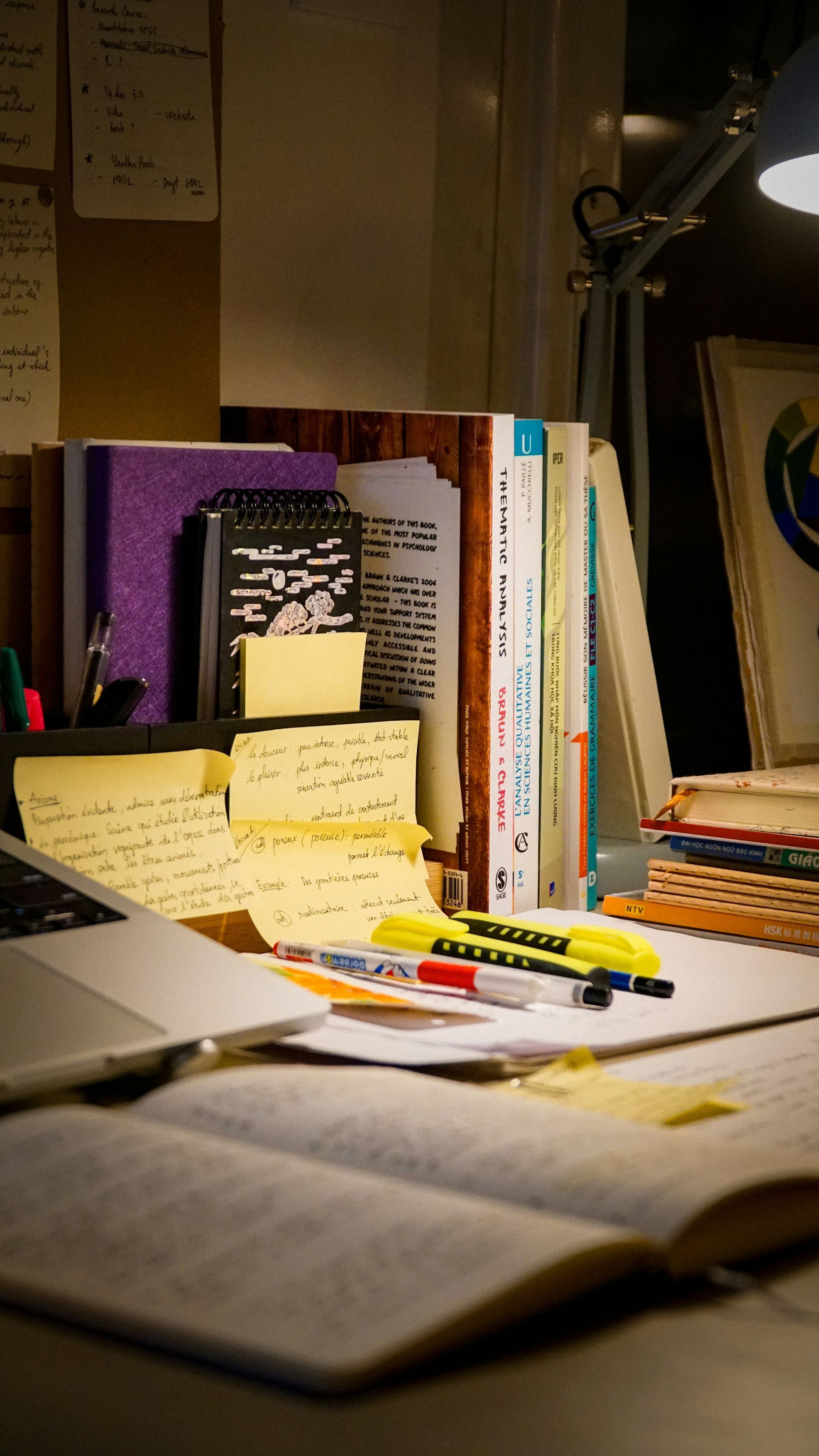
Stress rarely enters a teen’s life dramatically. It usually starts with changes that seem small but accumulate over time. Even capable teens can appear unusually distracted or overwhelmed despite doing everything they can to stay on track. Parents often notice shifts that hint at deeper pressure beneath the surface.
Emotional signs vs physical signs of stress
Teens might withdraw, become irritable, or appear emotionally flat. They may lose interest in activities they used to enjoy, procrastinate on assignments, or spend more time alone.
Physically, stress can show up as headaches, stomach discomfort, disrupted sleep, or fatigue. In some teens, GI symptoms can manifest with nausea and vomiting. If you are seeing signs of illness, consult with a doctor to rule out any physical causes. If doctors are unable to find a physical cause, it may be helpful to consult with a mental health professional to determine if psychotherapy could be helpful. These are not signs of laziness but could be indicators that a teen’s nervous system is overworked and overwhelmed with cortisol- the stress hormone.
How does stress affect teens’ emotional and physical health?
Stress impacts both the mind and body. Prolonged stress can lead to anxiety, depression, and difficulty concentrating. Emotionally, teens may feel more sensitive, irritable, or hopeless. Physically, they might experience muscle tension, low energy, and changes in appetite.
The longer stress remains unaddressed, the more it can disrupt learning, relationships, and self-esteem. Chronic stress makes it harder for teens to feel safe, connected, or capable of managing everyday life. This is because cortisol (the stress hormone) can be damaging if it is constantly in a young person’s system for long periods of time. While healthy amounts of stress can help us get work done sometimes, chronic stress can weaken the immune system and bring about psychological symptoms over time.
What does stress feel like from the inside for a high schooler who is trying to hold everything together?
While external signs provide clues, the internal experience of stress is often far more complex. Many teens feel like they are holding everything together while internally struggling with worry, mental noise, or fear they cannot quiet. They may appear composed on the outside while feeling lost on the inside.
The emotional experience teens rarely put into words
Your teen may feel like they are falling behind no matter how hard they try. Some teens feel ashamed of struggling, especially when everyone assumes they are fine or competent. Emotional fatigue is common. Teens may feel torn between pressure, fear of failure, and a need for rest that they cannot honor. This is especially true if your teen is on the autism spectrum or neurodiverse and has been strong academically in the past. They may be struggling to uphold high expectations while unable to verbalize the intense stress they feel deep down.
The cognitive load of chronic stress
Stress can heavily impact concentration, memory, and decision-making. Overthinking becomes constant, and even small tasks feel overwhelming. Many high schoolers describe their mind as full or noisy even when their schedule seems manageable.

How does stress live in the body?
Persistent stress lives in the body and nervous system. When a young person is highly stressed on an ongoing basis, chronic tension, stomachaches, headaches, pain or difficulty sleeping are common. Fatigue may linger even after sleeping a full night. When the nervous system stays activated, true relaxation becomes difficult.
These symptoms often show that a teen is not avoiding effort; they are running on emotional exhaustion. Recognizing this helps parents respond with empathy rather than frustration.
Healthy stress management tools for teens
Teens need tools that help them regulate their emotions and reconnect with their bodies. Stress management techniques give them agency over what feels chaotic.
Coping strategies teens can start today
Encourage your teen to start small: creating weekend plans to look forward to, breathing exercises and building in short breaks between tasks. If finding time to rest is hard, you may need to help your teen organize their time outside of school or manage distractions such as phone use.
Tools that help teens regulate and release stress
Somatic grounding techniques help teens feel safer in their bodies. Creative outlets like drawing, writing, or music let them express emotions without needing the perfect words. These practices are often more accessible than talking about stress directly.
How can parents help their high schoolers manage stress?
Parents play a powerful role in helping teens feel safe and supported. Emotional safety grows when your teen feels understood, not corrected.
Creating an emotionally safe environment at home
Instead of offering quick fixes, focus on connection. Ask open questions, listen with curiosity, and validate emotions, even the ones that do not make sense yet. Predictable home routines and shared quiet time can restore a sense of safety.
Modeling calm and self-care
Teens notice how adults handle stress. When parents show healthy coping by taking breaks, naming emotions, and setting limits, they teach resilience by example.
Encouraging professional support
If stress becomes persistent or overwhelming, therapy can help teens process what they are carrying and learn how to regulate their emotions. Academic burnout therapy or teen therapy in Pasadena can provide the consistent, nonjudgmental space they need.
Helping your high schooler find balance and emotional safety
Your teen does not need to navigate this season alone. With the right support, the weight they are carrying can begin to lighten and they can feel like themselves again. If you are ready to explore how academic burnout therapy or anxiety therapy for high school students can support your teen, I am here to help you
take the next steps. Together, we can help your high schooler feel calmer, more understood, and more hopeful about what comes next.

Hi there, I'm Cristina Lugo, LCSW
Trauma-informed therapist for teens & young adults
I help sensitive, thoughtful, and creative young people navigate anxiety, identity, and big life transitions with compassion and clarity. Through culturally responsive and holistic care, I offer therapy that meets you exactly where you are—no judgment, just real support.